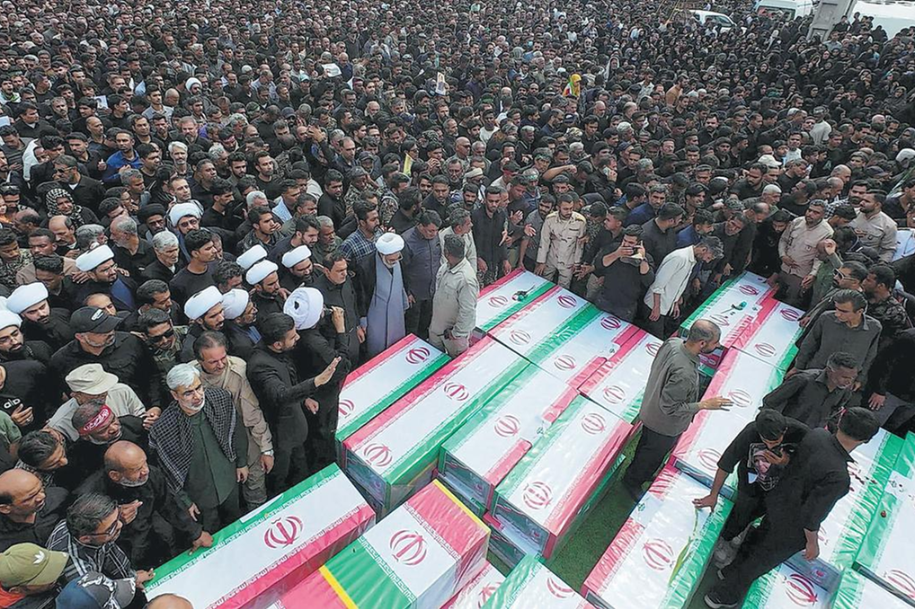
The Middle East faces a severe escalation of hostilities as combined United States and Israeli military forces executed renewed airstrikes against Iranian targets on Wednesday. Tehran responded with cross-Gulf retaliatory measures targeting American diplomatic installations, marking the sixth consecutive day of intensifying conflict that has critically disrupted regional energy infrastructure and international travel networks.
US military authorities reported nearly 2,000 targets struck since initiating joint operations with Israel last Saturday—actions that resulted in the death of Iranian Supreme Leader Ali Khamenei. The ongoing confrontation has claimed at least 1,045 Iranian lives, with US officials indicating potential continuation for several weeks.
Iran’s Assembly of Experts member Ahmad Khatami confirmed via state television that the process of identifying a new supreme leader is nearing conclusion, with candidates already shortlisted though not publicly named.
Israeli defense forces targeted Iranian ballistic missile production and storage facilities, additionally claiming destruction of a covert underground nuclear command center. Iranian officials countered that uranium enrichment activities had been suspended since June, maintaining their nuclear program serves exclusively peaceful purposes.
Defense Secretary Pete Hegseth confirmed the sinking of an Iranian warship by US submarine torpedo in the Indian Ocean, while drone attacks near the US Consulate in Dubai demonstrated Iran’s expanded retaliation strategy. Similar assaults targeted American embassies in Saudi Arabia and Kuwait, with Dubai authorities confirming no casualties despite visible explosions and temporary road closures.
The United Arab Emirates, despite enduring over 1,000 attacks according to its Foreign Ministry, declared no intention of retaliating against Iran. Meanwhile, international governments including the United States and France are organizing emergency evacuations for citizens stranded amid widespread air travel disruptions.
Iran’s Revolutionary Guards announced control over the Strait of Hormuz, warning vessels of potential attacks while the US Navy prepared escort operations for oil tankers. Regional experts warn of prolonged instability, citing risks of missile attacks, cyber warfare, and maritime security threats that could trigger global economic repercussions.
Energy markets face immediate volatility as Saudi Arabia closed its largest domestic oil refinery and Qatar suspended liquefied natural gas production. Political analyst Rabi Mohamed projected sharp oil price surges and supply chain disruptions that would elevate global transportation and production costs, creating widespread economic uncertainty.