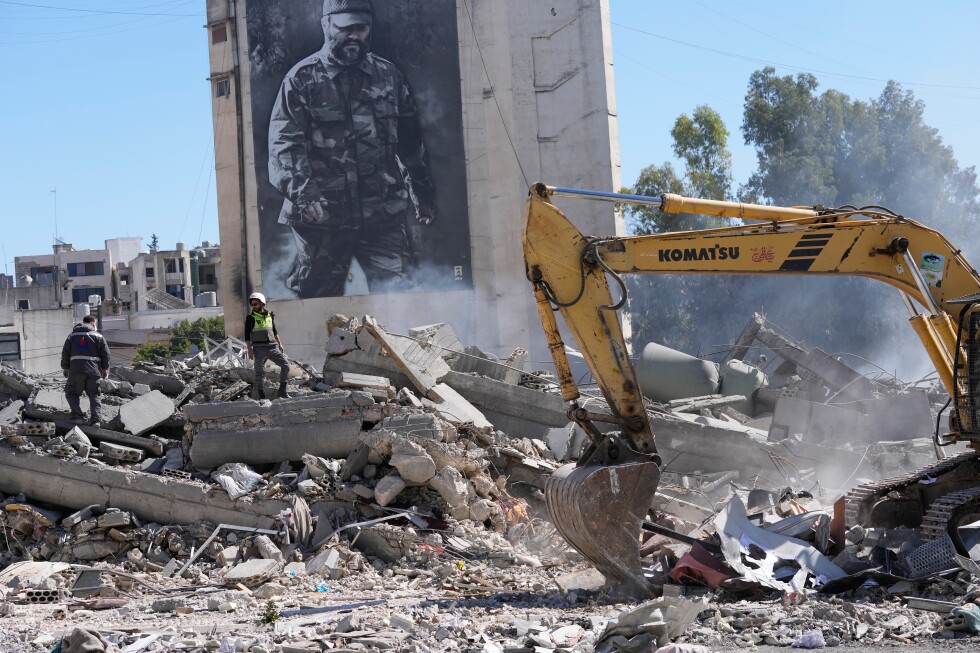
BEIRUT — Panic engulfed Lebanon’s capital Thursday as unprecedented traffic gridlock paralyzed the city following Israel’s military directive ordering the complete evacuation of all southern Beirut suburbs. The emergency warning advised residents to “save your lives and evacuate your homes immediately” through specified routes toward central Beirut and northern areas.
This blanket evacuation order for the Dahiyeh district—a known Hezbollah stronghold—signals an anticipated major Israeli bombardment operation. While Israel had previously issued warnings for areas south of the Litani River, this marks the first comprehensive evacuation mandate for Beirut’s southern suburbs since hostilities reignited between Israel and Hezbollah.
The escalation follows Monday’s missile and drone attacks by Hezbollah into Israel—the first such assault in over a year—which came in response to recent U.S. and Israeli strikes on Iran. Israeli retaliation has included sustained bombardment of southern Lebanon and Beirut’s outskirts.
According to updated figures, the conflict has already claimed 102 lives and displaced over 83,000 Lebanese citizens prior to Thursday’s evacuation order. The directive prompted urgent diplomatic intervention, with Lebanese President Joseph Aoun urgently contacting French counterpart Emmanuel Macron seeking intervention to prevent widespread strikes.
Macron issued a statement demanding immediate de-escalation, calling for Hezbollah to cease fire toward Israel while urging Israel to refrain from ground interventions or large-scale operations in Lebanese territory. The French president confirmed communications with U.S. President Donald Trump, Israeli Prime Minister Benjamin Netanyahu, and Lebanese leadership, while announcing Paris would send humanitarian aid to Lebanon.
Residents expressed both fear and frustration while fleeing. “We don’t put anything past them (Israel), they will strike us no matter where we go,” said Hadi Kaakour, a Dahiyeh resident. Another evacuee, Yousef Nabulsi, lamented: “We got sucked into a mess that we have nothing to do with. People have been displaced and are now staying on the streets, and this is wrong.”
UNIFIL peacekeepers confirmed the first ground combat observations west of Kfar Kila near the Israeli border, including weapon fire and aerial attacks. This development follows Israel’s Tuesday announcement of additional troops moving into southern Lebanon, where Israeli forces have maintained presence since the November 2024 ceasefire.
The Lebanese army has withdrawn from border areas as Israeli troops advanced, while Hezbollah has published statements and video evidence of attacks on Israeli forces, including missile strikes against tanks. The Israeli army confirmed two soldiers wounded by anti-tank fire in Lebanon on Wednesday.