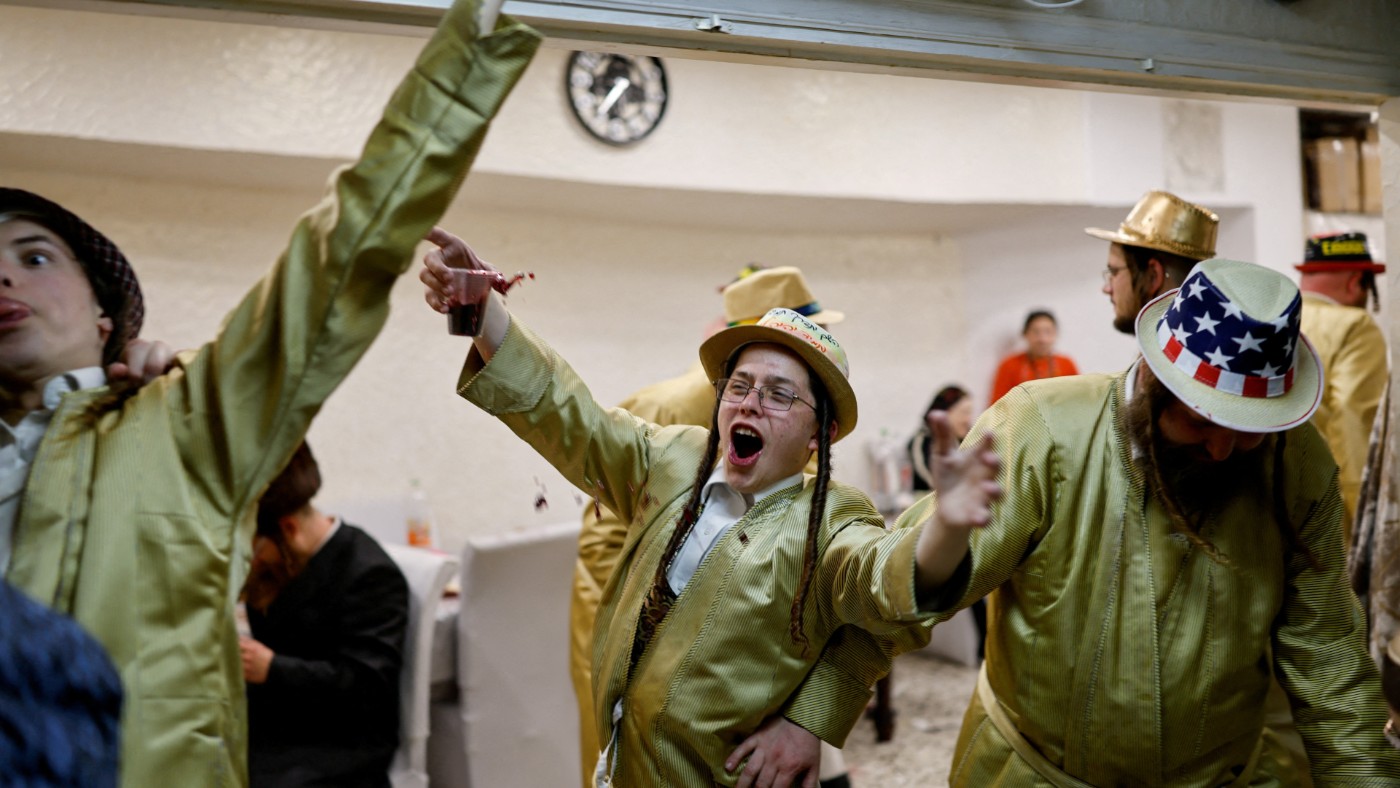
Amid escalating regional hostilities involving Israeli and US military actions against Iran, this year’s Purim celebrations in Jerusalem took on profound contemporary significance. Thousands of Israeli citizens defied official restrictions on public gatherings to participate in traditional costume festivities, while political figures and media outlets drew explicit parallels between current conflicts and the ancient Purim narrative of Jewish deliverance from Persian persecution.
The celebrations unfolded against a backdrop of concerning incidents, including an alleged attempted lynching of a Palestinian bus driver by young Jewish men—an event documented by socialist labor union Koach LaOvdim as part of a pattern of holiday-related violence. The left-wing Hadash party circulated video evidence of the attack, highlighting ongoing ethnic tensions within the city.
Political symbolism dominated public discourse, with Jerusalem Post commentators drawing direct comparisons between US President Donald Trump and the Persian king Achashverosh from the Purim story. Simultaneously, Environmental Protection Minister Idit Silman characterized Prime Minister Benjamin Netanyahu as the modern embodiment of Mordechai, the biblical figure who saved Persian Jews from destruction.
The political theater extended to media representations, with Channel 12 News host Avri Gilad conducting his broadcast in Israeli Air Force pilot attire, while far-right parliamentarian Limor Son Har-Melech posed with executioner props symbolizing her party’s proposed death penalty legislation for Palestinian militants. These demonstrations occurred despite reported concerns within Netanyahu’s administration about potential international backlash and legal challenges to such measures.
The convergence of ancient tradition with contemporary geopolitics created a complex tapestry of celebration, political messaging, and social tension, reflecting the multifaceted nature of Israeli society during periods of heightened regional conflict.