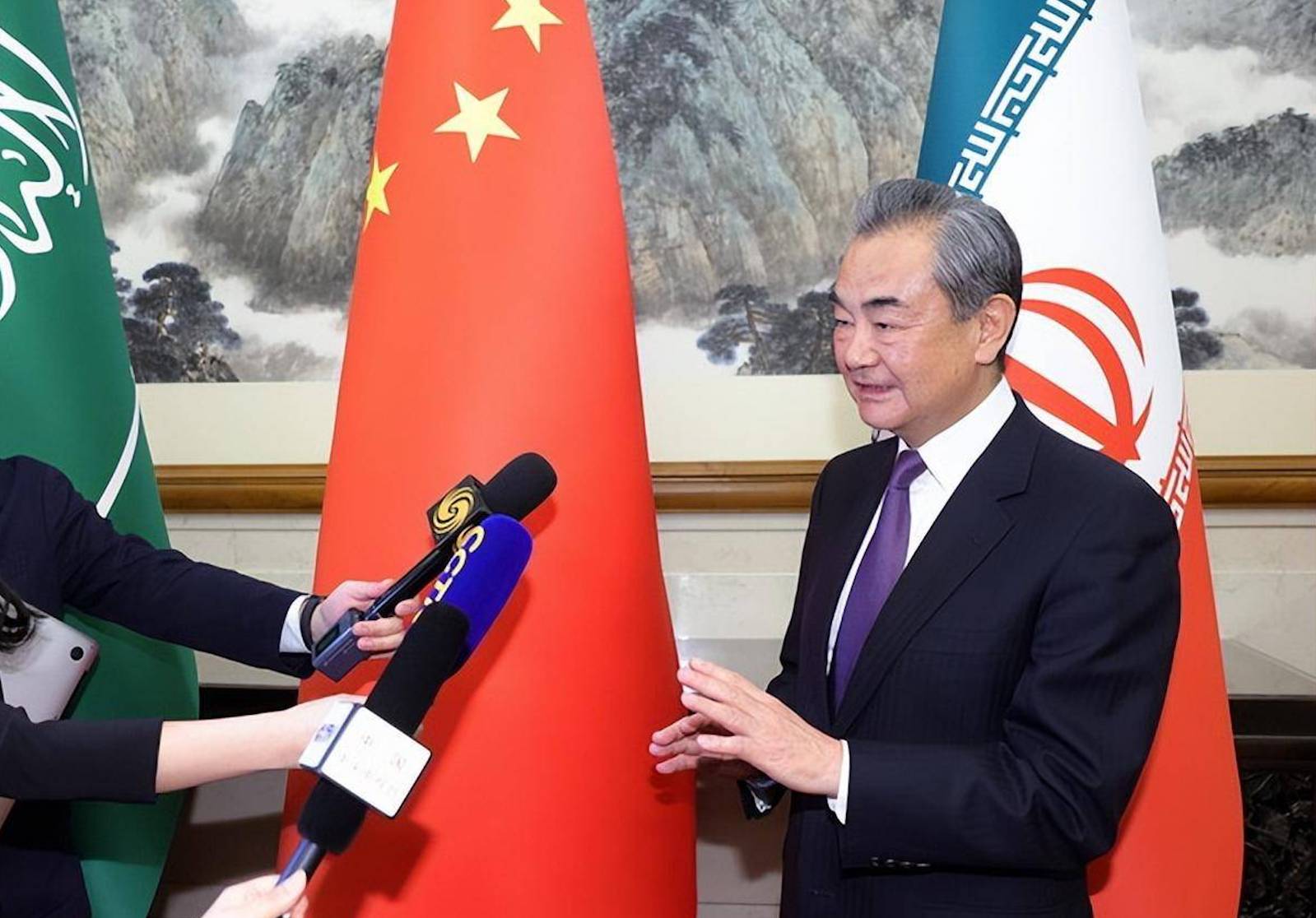
China has issued a forceful diplomatic condemnation against joint US-Israeli military operations targeting Iran, characterizing the attacks as a blatant breach of United Nations principles and fundamental international norms. Through its state-operated Xinhua News Agency, Beijing denounced what it termed a severe departure from established global governance standards, echoing its earlier response to US actions against Venezuelan leadership in January.
Foreign Minister Wang Yi reinforced China’s position against nations assuming self-appointed roles as ‘global police’ or international adjudicators. Beyond rhetorical opposition, China’s technological infrastructure has provided tangible strategic advantages to Iran during the 12-day 2025 conflict. The BeiDou Navigation Satellite System emerged as a critical alternative when American GPS jamming disrupted Iranian civilian and military operations, granting Tehran enhanced capability to monitor US military assets.
The confrontation carries substantial economic implications for China, which imported over 520 million barrels of Iranian crude oil in 2025. Current disruptions to Hormuz Strait shipping routes threaten China’s energy security, given that more than half of its crude imports originate from Gulf nations.
Paradoxically, the conflict may advance China’s broader geopolitical objectives. While some nations like Panama have reconsidered Chinese partnerships under US pressure, other Western allies including Canada, Germany and the United Kingdom have sought strengthened economic ties with Beijing amid concerns about Washington’s reliability. The unpredictability of US foreign policy under the Trump administration has amplified China’s messaging about stability and multilateral cooperation.
Regional analysts suggest prolonged Middle Eastern engagement could divert US attention from its intended ‘pivot to Asia,’ potentially recreating what observers term another ‘lost decade’ for American influence in the Indo-Pacific. This diversion could enable China to consolidate regional dominance while studying modern warfare technologies demonstrated in the Iran conflict.
Though immediate economic consequences may challenge China, the geopolitical recalibration resulting from the Iran conflict may ultimately strengthen Beijing’s position as a global counterbalance to American hegemony.