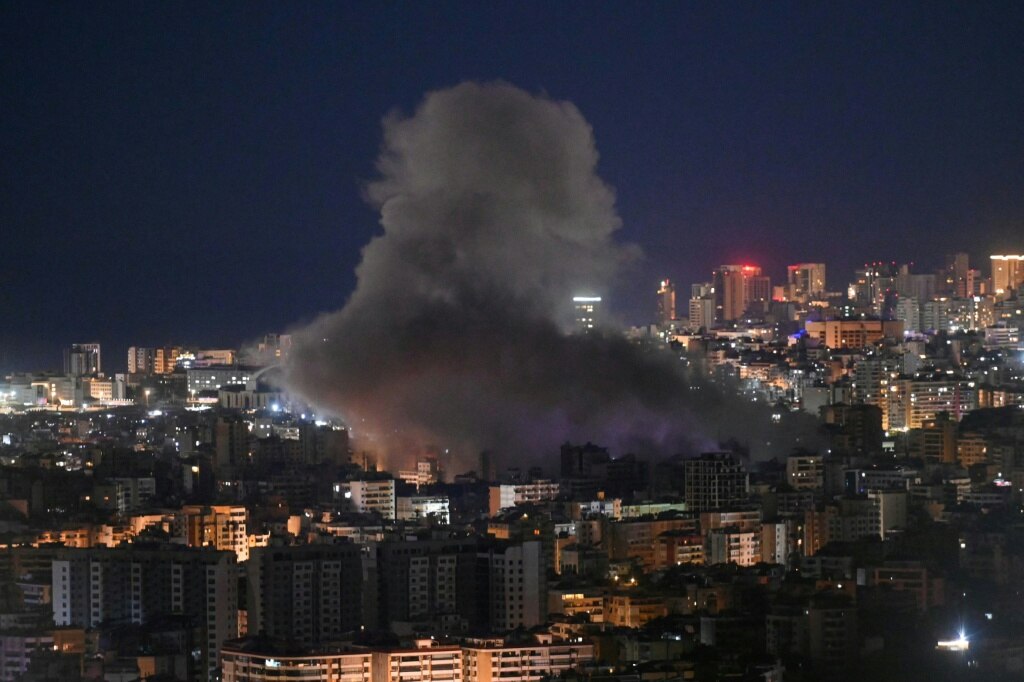
The Middle East has plunged into a rapidly expanding regional conflict with devastating consequences across multiple nations. What began with US-Israeli strikes that killed Iran’s supreme leader Ayatollah Ali Khamenei on Saturday has now engulfed the entire region, creating global shockwaves through energy markets and international relations.
Iran launched retaliatory strikes against Kurdish guerrilla groups in Iraq on Thursday, targeting what Tehran calls ‘separatist groups.’ According to Iranian officials, these operations serve as a clear warning that such organizations ‘will not be tolerated in any way.’ Simultaneously, Israel continued its bombardment of Tehran, with residents reporting fighter jets and explosions across the city.
The conflict has drawn in numerous regional actors. In Lebanon, Israeli strikes targeted Hezbollah command centers in south Beirut, reducing buildings to rubble and creating plumes of black smoke over the capital. Hezbollah’s leader has vowed to intensify fighting against Israel, declaring readiness for ‘ultimate sacrifice’ rather than surrender. Lebanese authorities report at least 72 fatalities and 83,000 displaced persons since hostilities began.
The war has extended beyond the immediate region with global implications. A US submarine sank an Iranian warship near Sri Lanka—marking Washington’s first torpedoing of a vessel since World War II—resulting in significant casualties. NATO member Turkey became involved after intercepting a missile apparently aimed at a British base in Cyprus, leading to diplomatic tensions with Iran.
Economic consequences are already severe. Iran’s Revolutionary Guards have effectively closed the Strait of Hormuz, a critical chokepoint for global oil transportation where tanker transits have dropped by 90%. This has triggered energy shortages worldwide, prompting South Korea to activate a $68 billion market stabilization fund and China to restrict fuel exports. The International Monetary Fund warns of a ‘prolonged period of flux’ for the global economy.
Civilian casualties continue to mount across the region, with at least 1,045 military personnel and civilians reportedly killed according to Iranian media, though these figures remain unverified. The conflict has also devastated regional tourism during peak season, with mass cancellations creating what industry professionals describe as a ‘catastrophic’ situation.