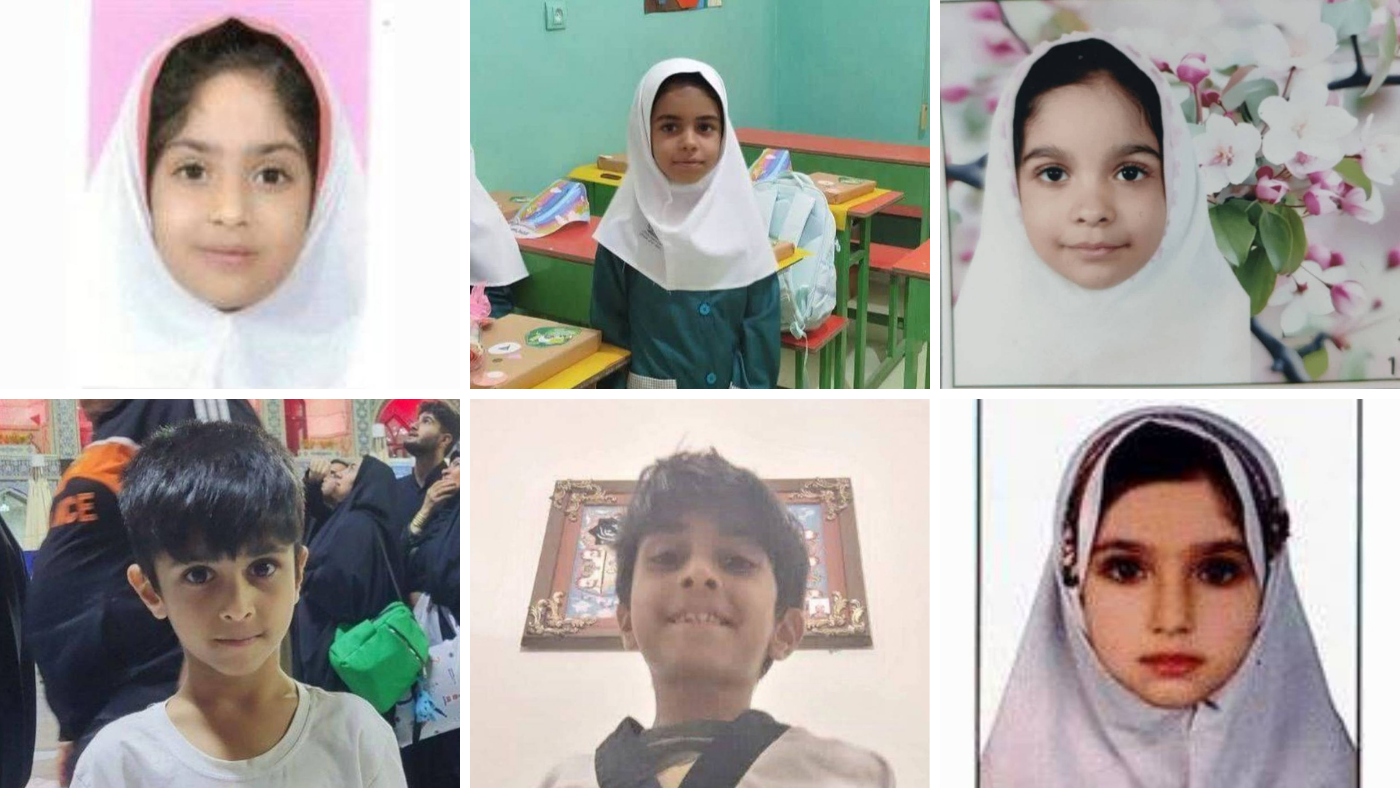
A devastating aerial assault on the Shajareh Tayyebeh primary school in Minab, Hormozgan province, has resulted in the deaths of at least 165 individuals, predominantly young children, according to multiple sources. The attack, attributed to joint US-Israeli military operations, employed a controversial ‘double tap’ tactic where a second strike targets first responders and survivors shortly after the initial explosion.
Eyewitness accounts from Red Crescent medics describe a horrific scene where school administrators attempted to protect students by moving them to a prayer hall following the first impact. As parents arrived to retrieve their children, a subsequent missile struck the same shelter area, dramatically increasing the casualty count. School staff reported being rendered speechless by the overwhelming sounds of children’s screams and cries amidst the devastation.
Middle East Eye has independently verified 61 victims through cross-referencing sources including Iran’s Gymnastics Federation, handwritten casualty lists, and Tasnim news agency reports. The documented fatalities include 25 boys, 26 girls, eight women, one man, and a two-month-old infant. Among the youngest confirmed victims were Sara Shayesteh (5), Ehsan Saleminia (6), and Salma Zakeri (6).
US Secretary of War Pete Hegseth acknowledged the incident days after the strike, stating that an investigation was underway. The attack has sparked international condemnation and widespread mourning across Iran, with mass funerals attended by thousands of grieving community members.
The extensive victim list includes:
– Hana Dehqani, 8
– Arya Bahadori, 9
– Ahmad Soltani, 8
– Athena Chamani-nezhad, 6
– Mahna Zarei, 2 months
– Mohammadreza Shahsavari, 8
– Reza Ranjbar, 6
– And numerous other children whose ages range from 5 to 12 years old
This incident represents one of the deadliest attacks on an educational facility in recent Middle Eastern conflict, raising serious questions about targeting protocols and the protection of civilian infrastructure in warfare.