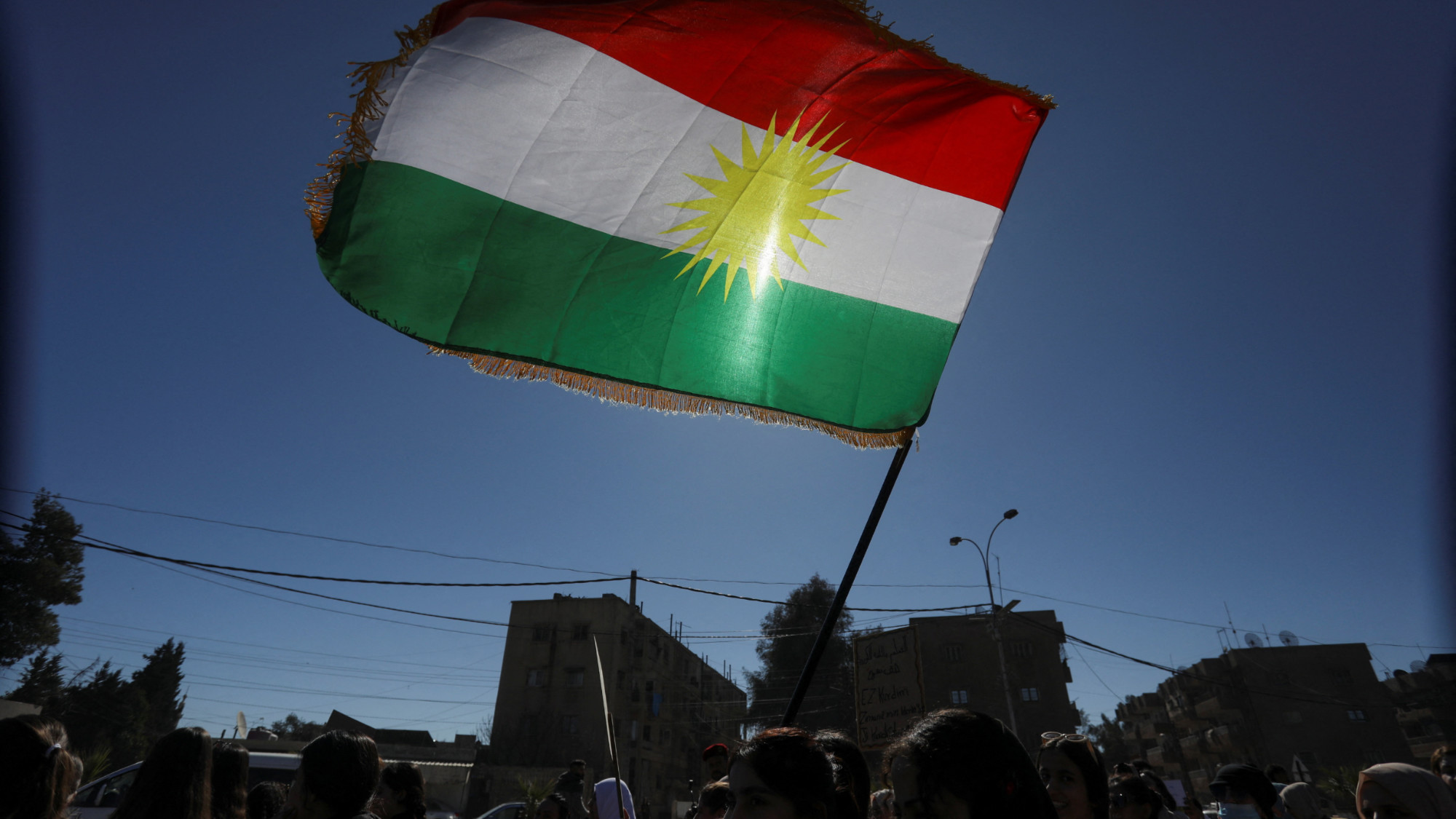
Amid escalating regional hostilities, the United States is reportedly evaluating strategic options to support Iranian Kurdish opposition groups based in Iraq for potential operations inside western Iran. Multiple US media outlets indicate the White House is considering backing these factions as part of broader efforts to pressure Tehran, though no final decisions have been confirmed.
Several senior Kurdish officials from different opposition parties provided conflicting assessments to Middle East Eye regarding potential ground operations. A source within the Komala Party suggested it was the “right time” for fighters to return after 47 years in exile, while Siamand Moeini of the Kurdistan Free Life Party (PJAK) expressed uncertainty about going to war with Tehran. Amanj Zebaii of the Democratic Party of Iranian Kurdistan (PDKI) noted that “everything is possible” if Kurdish fighters entered Iran.
The reporting coincides with intensified military actions along the Iran-Iraq border. US-Israeli airstrikes have targeted Revolutionary Guard facilities in multiple western Iranian cities including Mariwan, Urmiyeh, and Sanandaj. Simultaneously, Tehran has conducted drone strikes against Kurdish opposition camps in Iraq’s Kurdistan Region.
Analysts suggest the US sees experienced Kurdish fighters as potential partners for any uprising in northwest Iran. Nicholas Heras of the Middle East Policy Council noted these fighters could serve as “key interlocutors” with US forces. However, significant trust issues remain from previous US disengagement from Kurdish partners in Syria.
Military experts caution that without substantial air support and guarantees of political recognition, Kurdish forces would struggle to hold territory against Iranian counteroffensives. Former PJAK member Shamal Bishir warned that without proper backing, Kurdish groups could find themselves “exposed, holding territory without the means to secure it” if the Iranian state fragments without fully collapsing.