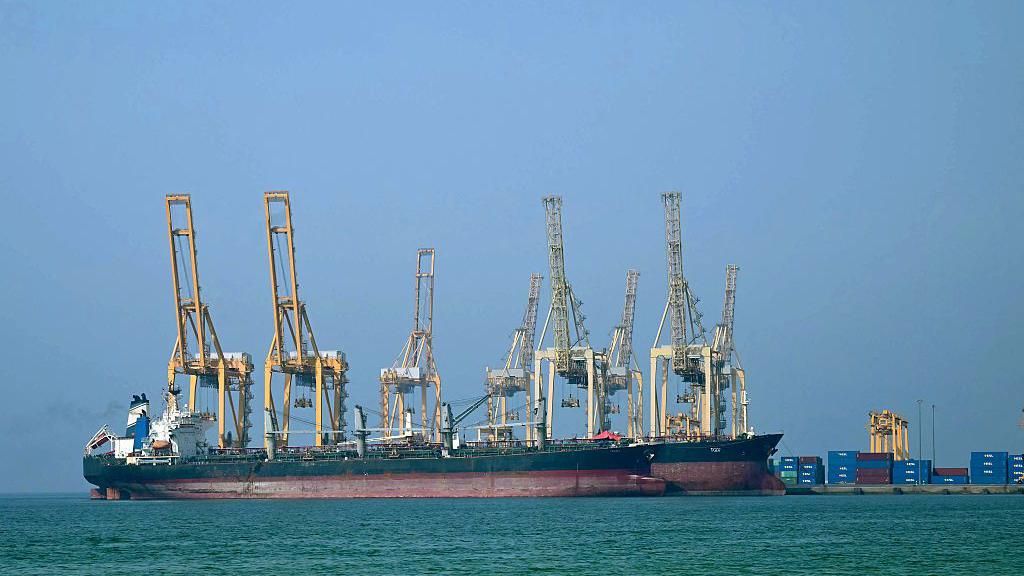
In response to escalating tensions in the Middle East, U.S. President Donald Trump has announced a dual strategy of military protection and financial guarantees to secure vital energy shipments through the Strait of Hormuz. The strategic waterway, which handles approximately 20% of global oil and gas transit, has become a flashpoint following Iranian threats to target commercial vessels.
President Trump declared via social media that the U.S. Navy stands ready to provide military escorts ‘if necessary’ to ensure the uninterrupted flow of energy resources. Simultaneously, he directed the United States Development Finance Corporation to offer political risk insurance to shipping companies at ‘very reasonable prices’ for all maritime trade, particularly energy transportation, in the Gulf region.
This announcement comes as Lloyd’s List Intelligence reports approximately 200 crude oil and product tankers are currently stranded in the Gulf area. Insurance providers have significantly increased premiums following incidents of Iranian forces firing upon several vessels and explicit threats from Iranian officials to ‘set fire’ to any ship attempting passage through the strait.
While global oil prices momentarily retreated after Trump’s statement, industry experts remain skeptical about the effectiveness of these measures. Richard Meade, Editor-in-Chief of Lloyd’s List, noted that previous military interventions failed to fully reassure shipping companies during Houthi attacks in the Red Sea, with many opting for longer, costlier alternative routes despite protection offers.
Analysts warn that prolonged disruption could drive crude prices above $100 per barrel, significantly impacting consumer fuel costs worldwide. Even the United States, which has historically been somewhat insulated from global price fluctuations due to substantial domestic production, would face considerable economic pressure.
Defending the ongoing conflict with Iran, Trump acknowledged potential short-term price increases but predicted a dramatic price decline once tensions resolve: ‘As soon as this ends, those prices are going to drop, I believe lower than even before.’