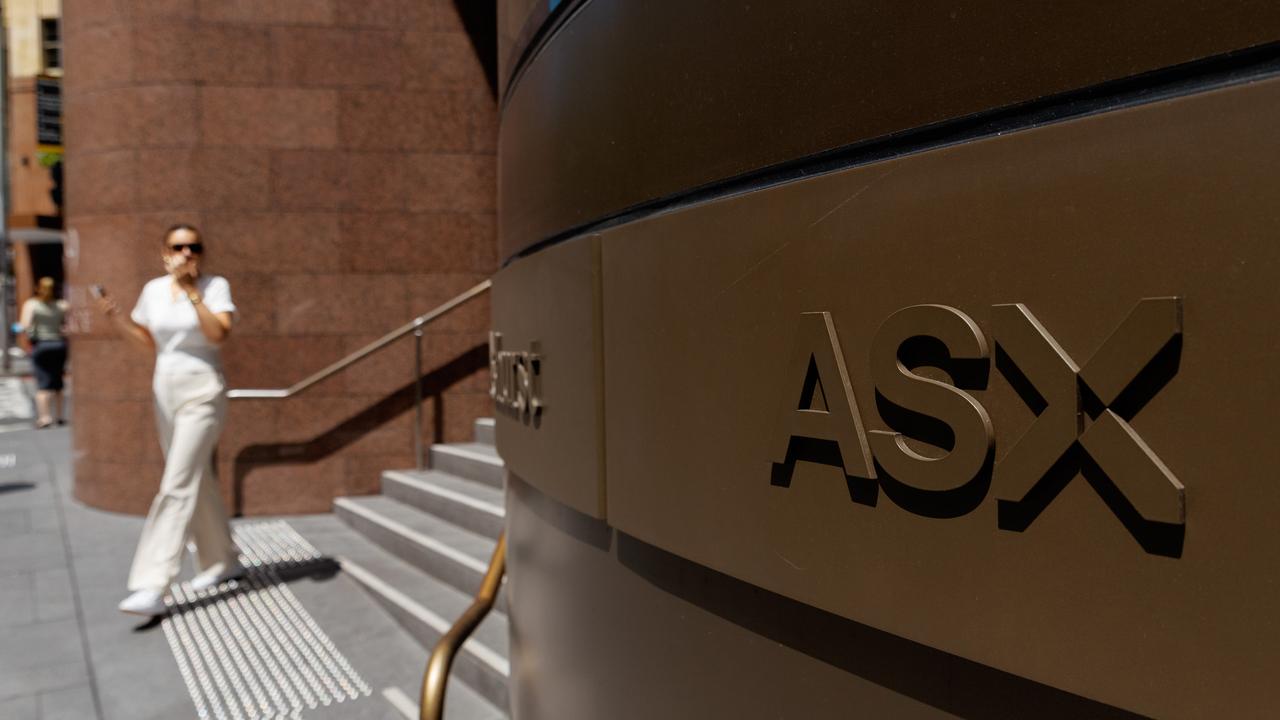
Australia’s financial markets experienced a severe downturn on Wednesday as escalating Middle East conflicts and persistent inflation anxieties triggered a massive sell-off, erasing approximately $63 billion in market value. The benchmark ASX 200 index plummeted 176.1 points, representing a 1.90 percent decline to settle at 8901.20, while the broader All Ordinaries index mirrored this downward trajectory with a 180.1 point drop to 9117.10.
The market downturn manifested across all sectors, with materials, real estate, and consumer staples experiencing the most significant losses. Major mining corporations bore the brunt of the sell-off, with West African Resources plunging 7.39 percent, Westgold Resources declining 7.14 percent, and industry giants BHP and Rio Tinto falling 3.5 percent and 1.61 percent respectively. The banking sector similarly faced substantial pressure, with ANZ leading losses at 3.71 percent.
Despite the widespread decline, energy companies demonstrated resilience amid the market turmoil. Woodside Energy advanced 0.89 percent while Santos recorded a modest 0.41 percent gain, benefiting from increased oil prices driven by geopolitical uncertainties. This sectoral performance aligns with analysis from Global X ETFs strategist Marc Jocum, who noted that Australia’s commodity-heavy market composition provides a natural hedge during geopolitical crises.
The market volatility occurred against a complex economic backdrop. Recent GDP data revealed Australia’s economy expanded by 2.6 percent in the fourth quarter, exceeding economist forecasts. This robust economic performance, combined with persistent inflation concerns, has increased expectations of additional interest rate interventions by the Reserve Bank later this month.
International markets reflected similar patterns of instability. Asian exchanges experienced pronounced declines, with South Korea’s markets temporarily suspending trading after indices plunged nearly 10 percent. United States markets attempted recovery from early session losses but ultimately closed negative, with the Dow Jones, Nasdaq, and S&P 500 all recording declines between 0.83 and 1.02 percent.
The Australian dollar continued to face pressure throughout the trading session, declining to approximately 70 US cents amid the broader market uncertainty and shifting global risk appetites.