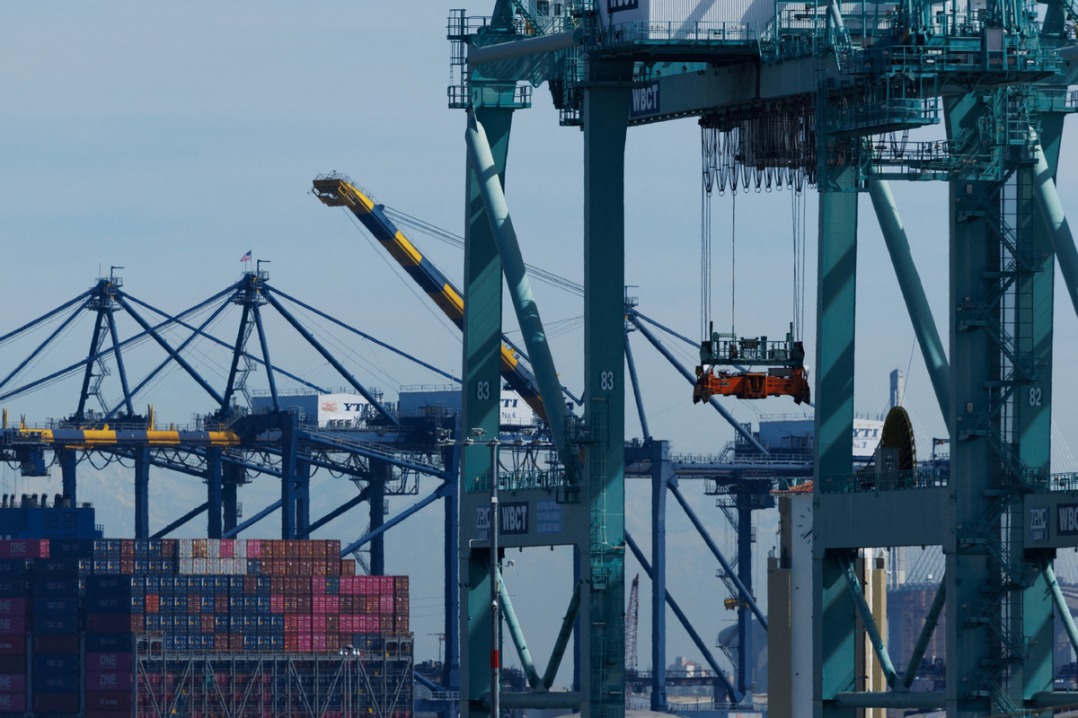
The critical Southern California port complex, America’s primary gateway for trans-Pacific commerce, faces renewed supply chain instability following a landmark Supreme Court decision on tariff authority. The 6-3 ruling determined that the previous administration overstepped its legal powers by imposing extensive tariffs under emergency provisions not intended for such trade measures.
Port executives at both Los Angeles and Long Beach—which collectively process nearly one-third of US containerized imports—report immediate operational uncertainties despite potential long-term benefits from the judicial intervention. The decision affects approximately two-thirds of tariffs collected under the International Emergency Economic Powers Act, totaling roughly $130 billion in duties already paid by importers.
Chief Executive Noel Hacegaba of the Port of Long Beach acknowledged the paradoxical situation: ‘I hope the ruling brings greater certainty to the supply chain. For now, the only certainty is more uncertainty.’ His port handled 9.9 million twenty-foot equivalent units (TEUs) last year and anticipates moving at least 9 million containers in 2026, though these projections now require recalibration.
Gene Seroka, Executive Director of the Port of Los Angeles, highlighted the supply chain’s hypersensitivity to policy changes: ‘Each time there’s a policy statement or adjustment out of Washington, we see immediate stops and starts across the supply chain.’ The nation’s largest container port recorded 10.2 million TEUs last year but began 2026 with a 13 percent year-over-year import decline in January.
The ruling creates two immediate challenges: unclear refund procedures for previously paid duties and the administration’s announcement of a new 10 percent global tariff without implementation details. Importers of Chinese-connected goods—from electronics components to furniture, toys, and apparel—must now make rapid decisions about shipment timing to potentially avoid tariffs before new measures take effect.
This development compounds existing trade weaknesses, particularly in exports. The Port of Los Angeles moved only 104,000 export TEUs in January—an 8 percent annual decrease representing its lowest export volume in nearly three years. US containerized exports to China plummeted 26 percent last year, with soybean shipments declining 80 percent at Los Angeles and 90 percent nationwide as Chinese buyers shifted to South American suppliers.
Despite these challenges, Seroka emphasized China’s enduring importance: ‘China still represents approximately 40 percent of our business, more than two and a half times our next largest trading partner. There is no faster way to get cargo from China to the US than through LA.’ The port executive reaffirmed commitment to longstanding trade partnerships that have defined West Coast maritime operations for decades.