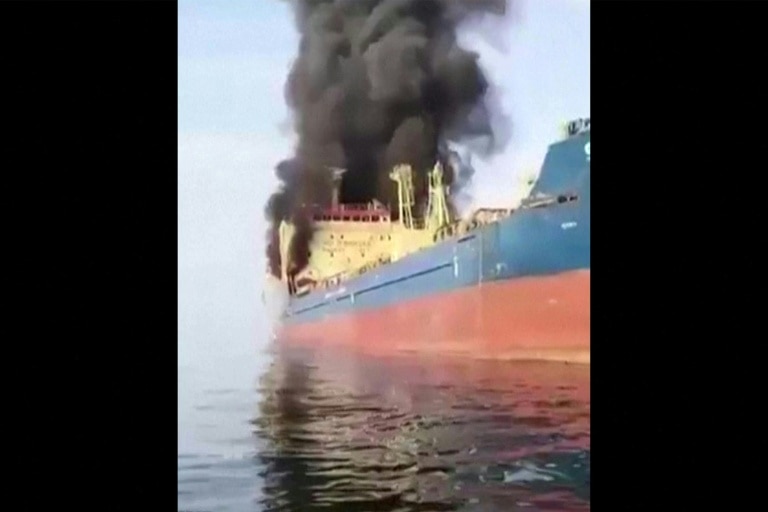
The recent military escalation between the United States, Israel, and Iran has triggered a significant surge in global energy prices, positioning American oil corporations for substantial financial gains. Following Saturday’s offensive, Brent crude futures briefly climbed above $85 per barrel, while European natural gas prices reached their highest point since 2023.
This market volatility stems primarily from the effective shutdown of the Strait of Hormuz, a critical maritime passage accounting for approximately 20% of worldwide crude oil shipments. The simultaneous suspension of liquefied natural gas production by QatarEnergy has further compounded supply constraints, creating ideal conditions for price inflation.
Energy market analysts confirm that major US producers like ExxonMobil and Chevron stand to benefit significantly from these developments. John Kilduff of Again Capital noted that commodity price spikes directly enhance corporate bottom lines, echoing the pattern observed following Russia’s invasion of Ukraine in 2022, when both companies collectively reported over $30 billion in quarterly profits.
However, industry experts question whether current price elevations will translate into increased domestic investment. According to Dan Pickering of Pickering Energy Partners, sustained higher pricing would be necessary to justify expanded drilling operations or capital budget increases. The Permian Basin shale formation represents the most likely candidate for incremental investment due to its established infrastructure and shorter project cycles.
The market’s perception of this disruption appears tempered by political realities. Former President Donald Trump’s announcement regarding US naval escorts for tankers through the Strait of Hormuz and federal insurance provisions prompted immediate price moderation. Ken Medlock of Rice University’s Baker Institute suggested further price retreats could occur if nations activate emergency petroleum reserves.
While Gulf Coast refiners and LNG exporters with available capacity already report improved margins, Brian Kessens of Tortoise Capital emphasized that replacing significant Middle Eastern output requires substantial time. The energy industry remains cautiously optimistic about profitability while maintaining realistic expectations about supply replacement capabilities.