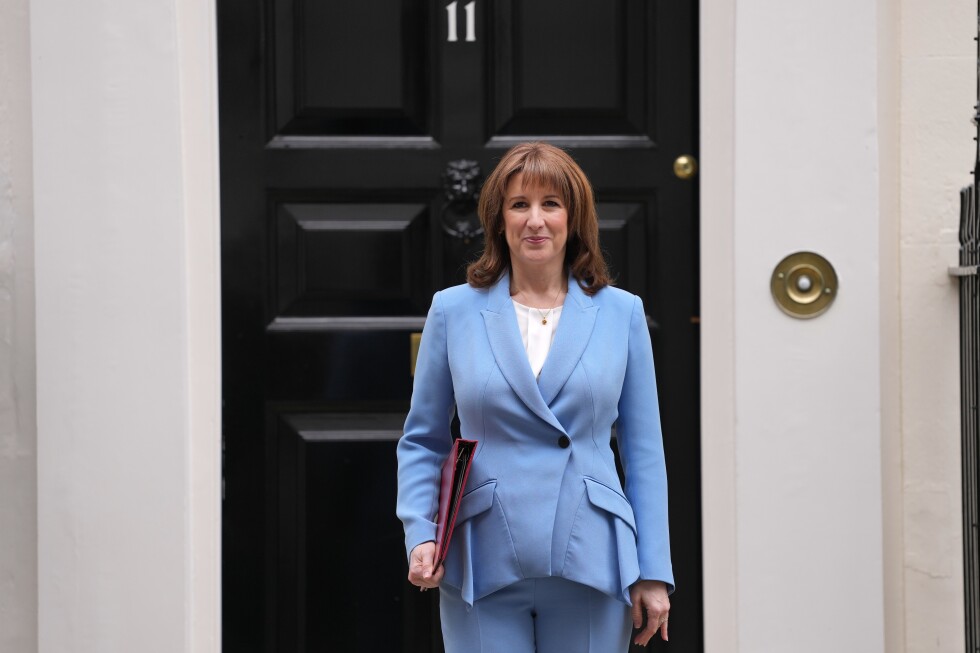
LONDON — Britain’s economic outlook faces severe disruption as escalating Middle East tensions trigger global market turbulence, casting a shadow over Chancellor Rachel Reeves’ highly anticipated Spring Statement to Parliament on Tuesday.
The Treasury chief had prepared a cautiously optimistic assessment of Britain’s fiscal trajectory, anticipating stable indicators without major tax or spending announcements. However, the rapidly evolving Iran conflict has dramatically altered the economic landscape, with economists warning of potential growth suppression, inflationary pressures, and mounting debt concerns.
Energy markets have experienced particularly severe volatility, with Brent crude surging over 15% this week to exceed $80 per barrel. Simultaneously, global natural gas prices—critical for UK energy security—have nearly doubled within days. These developments threaten to increase energy costs for both businesses and households, potentially reigniting inflationary trends and constraining economic expansion.
Investment strategist Susannah Streeter of Wealth Club noted: ‘Amid global uncertainty, the Chancellor will likely emphasize extreme caution, prioritizing stability and adherence to fiscal discipline during these heightened geopolitical tensions.’
Prior to her parliamentary address, the Treasury indicated Reeves would highlight the government’s commitment to economic stability despite mounting external pressures. She is expected to reference recent positive developments, including declining inflation and anticipated interest rate reductions that have begun alleviating cost-of-living burdens for British families.
The Labour government, which has experienced declining popularity since its 2024 election victory, had hoped 2026 would demonstrate sustained economic recovery. Recent indicators initially suggested growth acceleration in early 2026, with inflation projected to decline significantly in coming months—potentially prompting further Bank of England rate cuts beyond the current 3.75% benchmark.