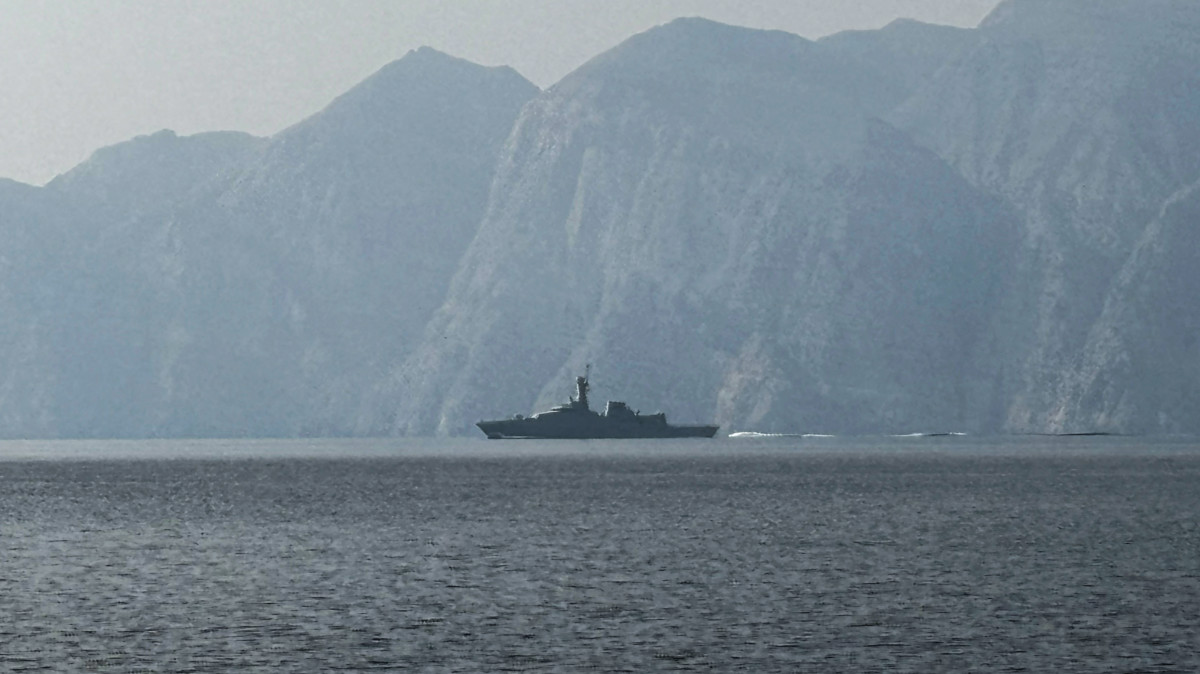
Major international insurance providers have announced the withdrawal of war-risk coverage for vessels navigating the Persian Gulf, following explicit threats from a high-ranking Iranian Revolutionary Guard Corps (IRGC) official. Ebrahim Jabbari, senior adviser to the IRGC commander-in-chief, declared on Monday that Iranian forces would target any ship attempting to transit the Strait of Hormuz in retaliation for recent US and Israeli military actions.
The strategic Strait of Hormuz, a mere 21-mile wide chokepoint, serves as a critical maritime corridor for approximately 20% of global daily oil consumption and significant natural gas shipments. The insurance withdrawal, effective Thursday, affects approximately 90% of the world’s ocean-going tonnage according to Bloomberg reports, potentially creating a de facto closure for Western-owned tankers.
Simultaneously, energy infrastructure across the region has come under attack. Saudi Arabia’s largest domestic oil refinery suspended operations following a drone strike, while QatarEnergy halted production at its Ras Laffan facility after similar attacks. The Qatari facility alone accounts for roughly 20% of global liquefied natural gas (LNG) supply.
Market reactions have been immediate and severe. European benchmark gas prices surged by 45% on Monday, while Brent crude oil jumped 8% to settle at $78.40 per barrel. Container shipping rates are also expected to rise significantly, with Ocean Network Express CEO Jeremy Nixon reporting that 10% of global container vessel capacity is currently affected by the Strait’s closure.
Despite Iranian state media denials of involvement in the Gulf state attacks, the combined effect of insurance withdrawal and military threats has created unprecedented disruption to global energy markets. US Secretary of State Marco Rubio indicated the administration would announce measures on Tuesday to address rising energy prices resulting from the escalating regional conflict.