China’s energy security strategy faces immediate recalibration following the confirmed death of Iranian Supreme Leader Ayatollah Ali Khamenei and subsequent regional escalation. The Revolutionary Guards’ enforcement of a Strait of Hormuz closure has triggered substantial operational disruptions for the world’s largest manufacturing economy, which depends heavily on this transit route for crude imports.
Industry analysts indicate the blockade will generate three immediate consequences: dramatically elevated shipping risks, surging insurance premiums, and increased oil delivery costs. More significantly, potential regime transformation in Tehran jeopardizes China’s access to discounted Iranian crude—a crucial economic advantage maintained through complex supply networks.
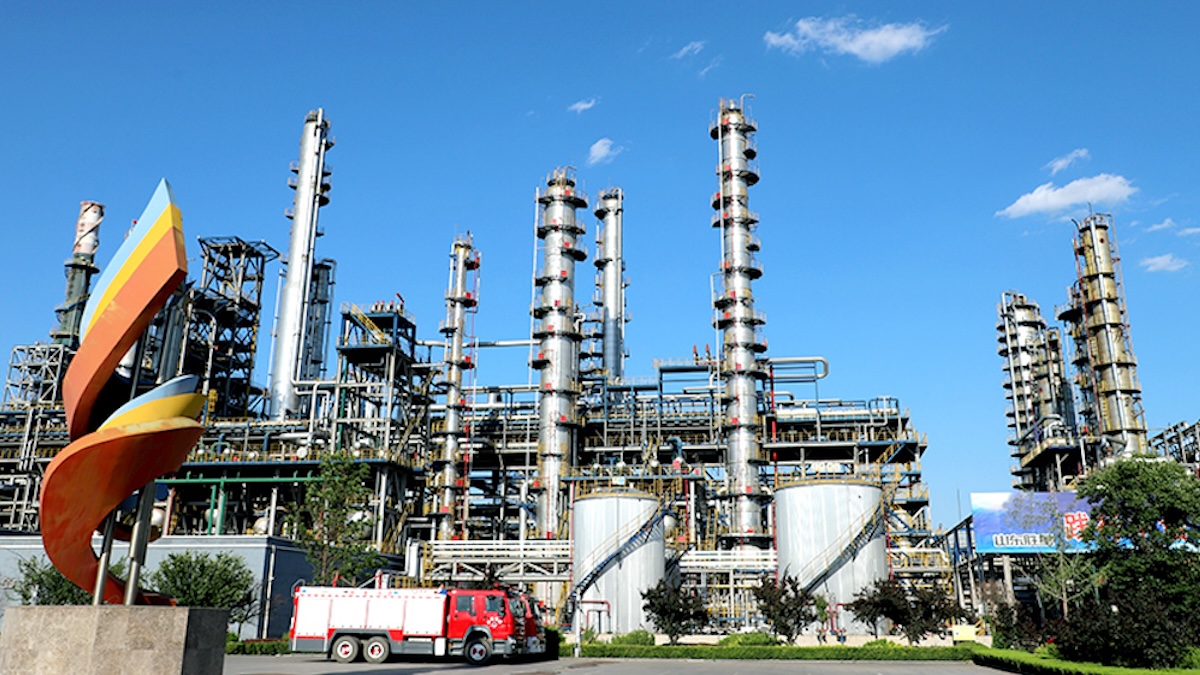
Despite U.S. sanctions limiting Iran’s official exports, China has consistently imported approximately 1.38 million barrels daily (representing 13.4% of seaborne crude imports) through third-country transshipment points like Malaysia. This shadow supply chain, operated via sanctioned tankers, provides Iranian oil at $10-20 per barrel below global benchmarks. The pricing advantage proves particularly vital for Shandong province’s independent refineries (termed ‘teapots’), which constitute roughly one-quarter of national refining capacity.
Foreign Ministry spokesperson Mao Ning articulated China’s diplomatic stance, emphasizing concerns about unauthorized military actions while avoiding direct confrontation. ‘China believes the sovereignty, security and territorial integrity of Gulf states should be fully respected,’ Ning stated, simultaneously denying reports of impending missile deals with Tehran.
The crisis exposes China’s strategic vulnerabilities beyond energy pricing. Billions in infrastructure investments under the 25-year comprehensive cooperation plan face potential disruption, while alternative supply routes through Pakistan’s Gwadar port gain renewed strategic importance. Despite these challenges, analysts predict China will maintain strategic composure, prioritizing communication with Washington ahead of anticipated high-level diplomatic engagements.