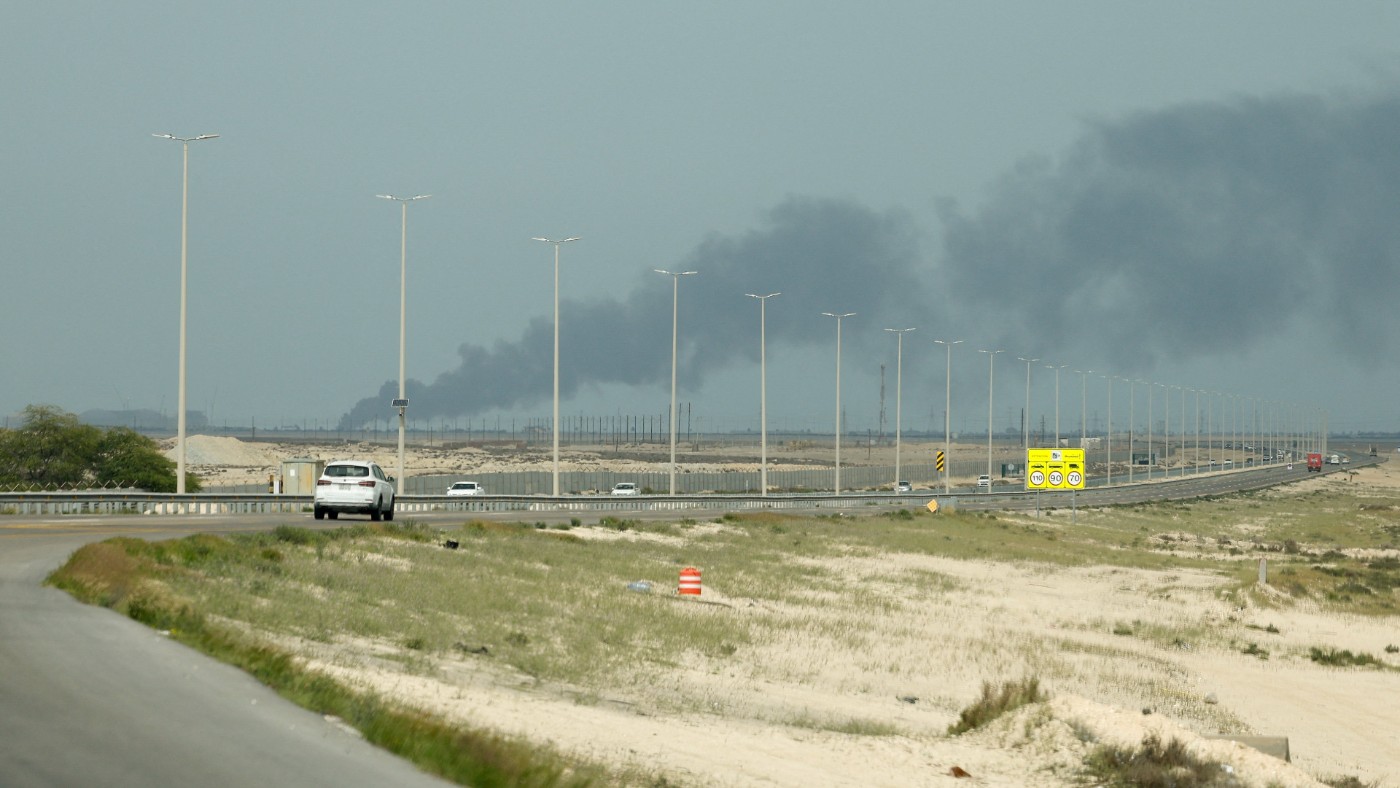
Global energy markets faced severe disruption as Iranian retaliatory strikes prompted multiple Middle Eastern nations to suspend critical energy operations, causing European gas prices to skyrocket by nearly 50 percent. The escalating regional conflict has triggered precautionary shutdowns across the energy sector, affecting everything from Saudi refineries to Qatari liquefied natural gas facilities.
Saudi Arabia’s state-owned energy giant Aramco initiated emergency protocols at its Ras Tanura refinery complex following drone strikes that ignited fires at the facility. This critical infrastructure, processing 550,000 barrels per day and serving as a major export terminal, represents a cornerstone of Saudi Arabia’s oil export capabilities.
Simultaneously, Qatar Energy, the world’s largest LNG producer, announced complete suspension of operations after Iranian drones struck energy facilities in the industrial cities of Ras Laffan and Mesaieed. The shutdown affects 14 liquefied natural gas trains with a combined annual production capacity of 77 million tonnes, severely impacting global gas supplies from the world’s largest LNG export hub.
The production halts extended beyond the Arabian Peninsula, with companies in Iraqi Kurdistan including DNO ASA, Gulf Keystone Petroleum, Dana Gas and HKN Energy ceasing output at their fields as a precautionary measure. These developments occurred despite no reported damage to facilities.
Israel escalated the regional energy shutdown by instructing Chevron to temporarily close its massive Leviathan gas field, where expansion projects were underway to increase capacity to approximately 21 billion cubic meters annually as part of a $45 billion export agreement with Egypt.
The market impact was immediate and severe, with oil prices surging 13 percent to exceed $82 per barrel—the highest since January 2025. The price spike coincided with shipping disruptions through the Strait of Hormuz, where approximately 20 percent of global oil shipments transit. Maritime data revealed at least 150 vessels, including oil and LNG tankers, had anchored in the strait and surrounding waters amid security concerns.
The shipping crisis intensified with reports of direct attacks on commercial vessels. A Marshall Islands-flagged product tanker suffered a projectile strike off Oman’s coast, resulting in one crew member fatality. Two additional tankers sustained damage, while a Gibraltar-flagged bunkering tanker was similarly attacked near UAE waters.
These security incidents prompted marine insurers to cancel war risk coverage for vessels operating in the region, with analysts predicting further increases in oil shipping rates. Iran has denied targeting energy infrastructure, despite explosions reported at its Kharg Island facility, which processes approximately 90 percent of the country’s crude exports.
The production suspensions involve three of OPEC’s most significant members, with Iran representing the organization’s third-largest producer accounting for 4.5 percent of global supplies, while Saudi Arabia remains the cartel’s dominant producer.