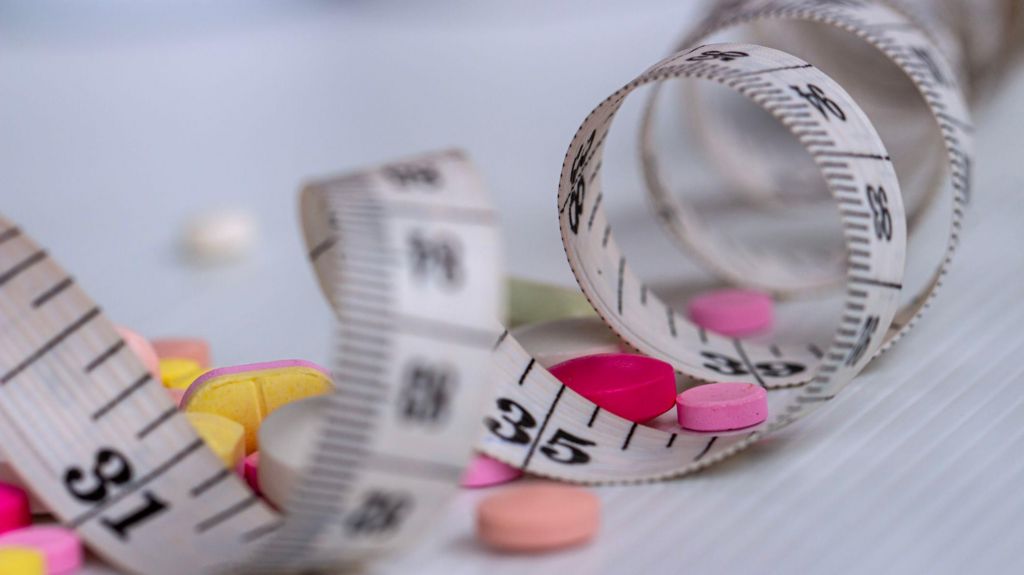
Danish pharmaceutical giant Novo Nordisk has announced a major €400 million (£350 million) investment to upgrade its manufacturing facility in Athlone, County Westmeath, Republic of Ireland. This strategic move will enable the production of tablet versions of its blockbuster weight-loss medication Wegovy, marking a significant expansion beyond the currently available injectable form.
The investment represents a pivotal shift in obesity treatment delivery methods. While Wegovy and similar GLP-1 receptor agonist drugs have traditionally been administered via injection, the tablet formulation offers patients an alternative delivery method. The oral version of Wegovy received regulatory approval in the United States in January 2024 and is anticipated to gain approval in other global markets shortly.
Kasper Bødker Mejlvang, Executive Vice President at Novo Nordisk, characterized the development as “a historic milestone which marks our continued commitment to Ireland and our highly skilled employees in Athlone.” Construction activities have already commenced at the Athlone site and are projected to continue through 2028. The facility will specifically manufacture tablets for markets outside the United States.
This expansion occurs against a backdrop of intensifying competition in the weight-loss pharmaceutical sector. Ireland already serves as a major manufacturing base for Novo Nordisk’s primary competitor, Eli Lilly, which produces active pharmaceutical ingredients for its Mounjaro and Zepbound medications at its Kinsale, County Cork facility. These ingredients are subsequently air-freighted to the United States, making Eli Lilly one of Ireland’s most significant exporters.
Both Wegovy and Mounjaro function as appetite suppressants by mimicking the GLP-1 hormone that induces feelings of fullness, with Mounjaro additionally affecting metabolism and energy balance regulation. Treatment typically begins with low doses that are gradually increased until patients reach a maintenance dosage, always accompanied by healthier eating and exercise programs when prescribed in the UK.
The investment decision follows recent job cuts at Novo Nordisk, reflecting the company’s strategic response to growing market competition and impending patent expirations that could affect its product portfolio.