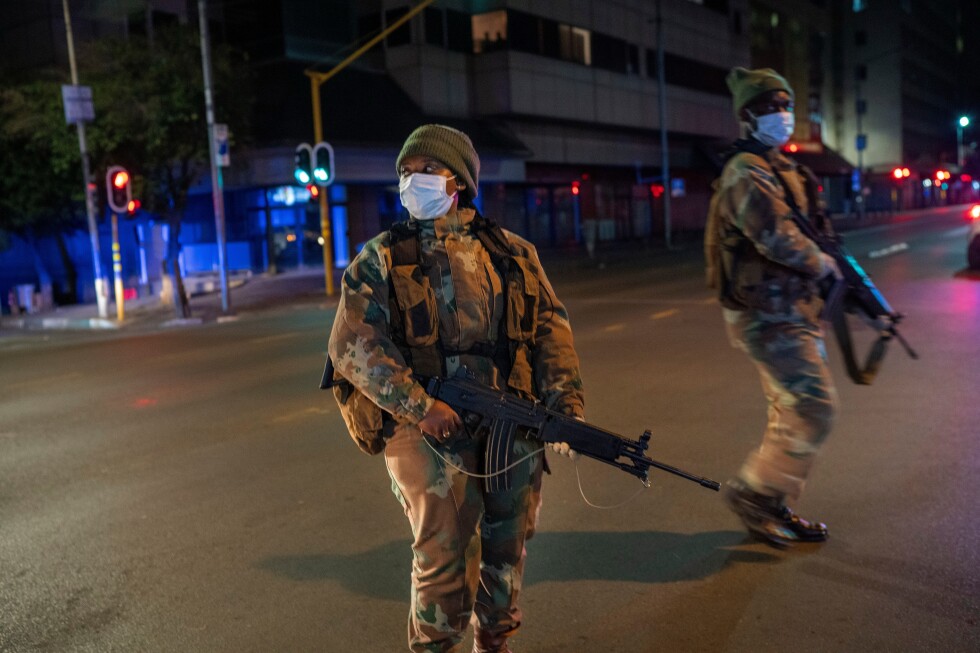
In an unprecedented security response, South African President Cyril Ramaphosa has authorized military deployment to combat the nation’s escalating crisis of organized crime, gang violence, and illegal mining operations. The strategic intervention will target three provinces—Western Cape, Gauteng, and Eastern Cape—identified as epicenters of criminal activity that threatens both democratic stability and economic development.
Cape Town, despite its global tourism appeal, harbors the notorious Cape Flats region where gang warfare has created some of the world’s highest violent crime rates. Street gangs including the Americans, Hard Livings, and Terrible Josters engage in brutal turf wars over drug territories, extortion networks, and contract killings, frequently claiming innocent bystanders as casualties.
Simultaneously, Gauteng province faces a different criminal epidemic: illegal mining syndicates known as zama zamas. These heavily armed operations employ desperate recruits to extract residual minerals from abandoned shafts, generating an estimated $4 billion annually in illicit gold trade. The mining gangs have been connected to horrific crimes, including the mass rape of eight women during a 2022 video shoot and violent standoffs resulting in dozens of deaths.
President Ramaphosa, acknowledging South Africa’s painful history of military deployment during apartheid, emphasized this decision followed careful consideration of the “most immediate threat” to public safety. The army will operate under police command with time-limited objectives to stabilize critical areas without supplanting traditional law enforcement.
While Police Minister Firoz Cachalia supports the deployment as necessary to prevent daily loss of life, security experts question the long-term efficacy of military solutions for systemic criminal enterprises deeply rooted in socioeconomic despair and cross-border migration patterns.