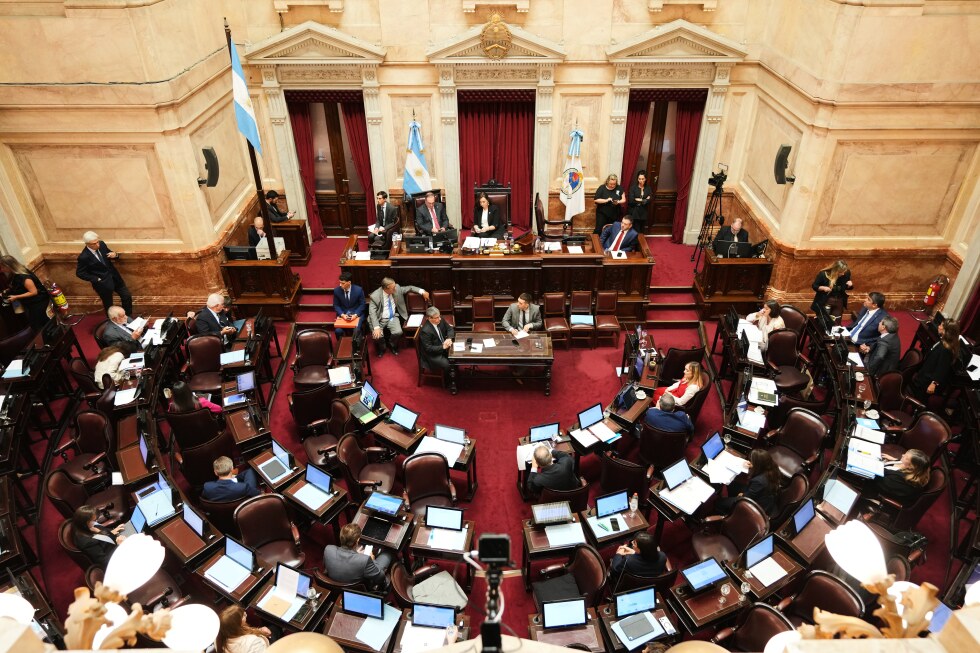
BUENOS AIRES — Argentina’s capital witnessed massive demonstrations on Friday as a broad coalition comprising labor unions, opposition factions, and leftist organizations flooded the streets of downtown Buenos Aires. The protests targeted President Javier Milei’s comprehensive labor reform package, which is poised for a decisive Senate vote imminently.
The proposed legislation, championed by Milei’s La Libertad Avanza party, seeks to fundamentally transform Argentina’s labor landscape by granting employers enhanced flexibility regarding hiring practices, termination procedures, severance arrangements, and collective bargaining protocols. This initiative has encountered vehement resistance from labor unions and their Peronist allies, who contend that these measures would dismantle crucial worker protections and exacerbate vulnerabilities amid Argentina’s recurrent economic instability.
Despite last week’s preliminary Senate endorsement, the government was compelled to modify a contentious provision that proposed halving salaries for workers on leave due to non-work-related injuries or illnesses. This amendment followed vigorous opposition from lawmakers, necessitating a final Senate vote to determine whether to accept the revised text or reinstate the original clause.
The legislative process has been marked by significant tension, culminating last week in a 24-hour nationwide strike organized by Argentina’s largest trade union group, the General Confederation of Labor. Simultaneously, clashes erupted between police and demonstrators from various leftist factions outside Congress, highlighting the deeply polarized nature of the debate.
President Milei maintains that modernizing Argentina’s half-century-old labor code is essential to attract foreign investment, enhance productivity, and stimulate job creation in a nation where approximately 40% of workers operate in the informal economy. Union leaders, however, argue these reforms would undermine the worker protections that have characterized Argentina since the emergence of Peronism in the 1940s—a movement that continues to wield substantial influence, particularly among the country’s 13 million registered workers, roughly 40% of whom maintain union affiliations.
A successful Senate vote would deliver Milei a significant legislative achievement, potentially enabling him to highlight these substantial economic reforms during his upcoming Sunday address at the opening of Congress’s ordinary sessions.