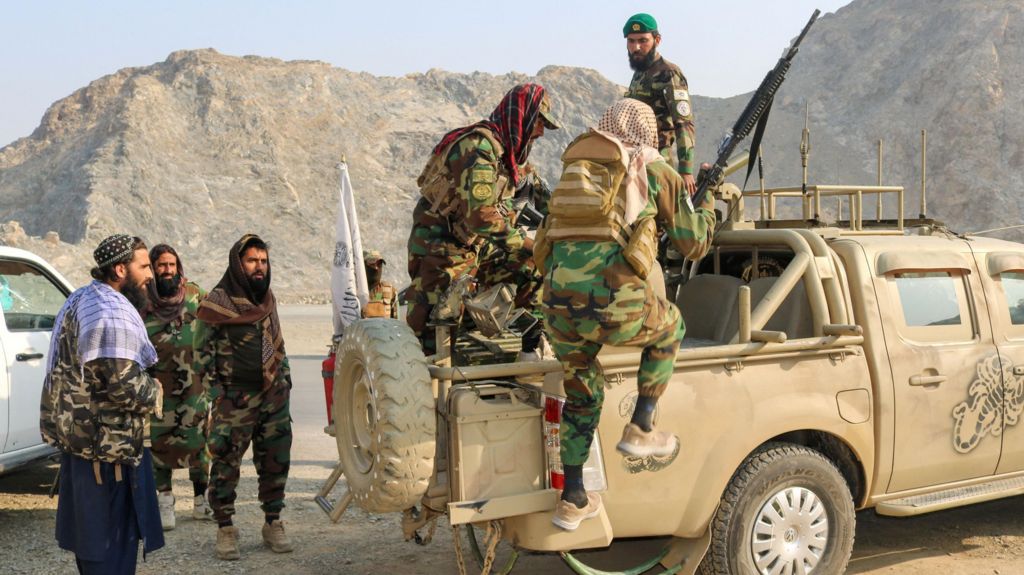
Tensions between Pakistan and Afghanistan’s Taliban government escalated dramatically this week with reciprocal military offensives across their shared border, marking the most significant deterioration in relations since last October’s ceasefire agreement.
The conflict ignited on Thursday evening when Taliban forces launched coordinated assaults on Pakistani military installations along multiple border provinces including Nangarhar, Nuristan, and Khost. Pakistani authorities characterized the action as ‘unprovoked aggression’ and responded within hours with precision airstrikes targeting Taliban positions in Kabul, Kandahar, and Paktika provinces.
The situation intensified further on Friday morning as the Taliban conducted unprecedented drone strikes deep into Pakistani territory, targeting military facilities in Nowshehra, Abbottabad, and Swabi. Security analysts noted the tactical significance of these attacks, which utilized commercially available drones modified to carry explosives—a demonstration of the Taliban’s evolving asymmetric capabilities.
Both nations have issued conflicting casualty reports. Pakistani officials claim to have eliminated 133 Taliban fighters and wounded over 200, while Taliban spokespersons assert they inflicted heavy losses on Pakistani forces and captured several soldiers. These claims remain unverified by independent sources.
The international community has responded with growing concern. United Nations officials urgently called for de-escalation, while regional powers including China, Iran, and Saudi Arabia offered mediation. Iranian Foreign Minister Abbas Araqchi specifically referenced the ongoing Ramadan period, appealing for ‘self-restraint and Islamic solidarity.’
This confrontation stems from longstanding accusations between the neighbors. Pakistan maintains that Taliban-controlled Afghanistan harbors terrorist elements responsible for attacks on Pakistani soil, including recent suicide bombings. The Taliban government vehemently denies these allegations while accusing Pakistan of conducting indiscriminate strikes that kill Afghan civilians.
Security analysts observe that Pakistan’s latest strikes represent a strategic shift by directly targeting Taliban government facilities rather than suspected terrorist camps. Michael Kugelman of the Atlantic Council noted this indicates Pakistan is ‘now targeting the regime itself,’ potentially signaling a dangerous new phase in bilateral relations.
With both sides exchanging increasingly bellicose rhetoric and demonstrating military capabilities, the situation remains highly volatile along the 2,600-kilometer border region.