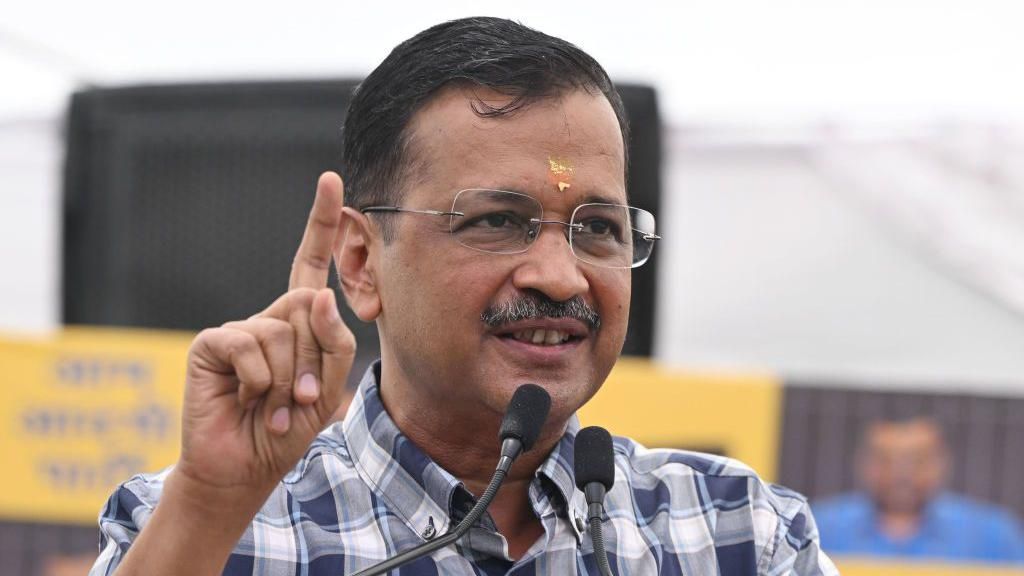
In a significant judicial development, an Indian court has dismissed a high-profile corruption case against Arvind Kejriwal, the former Chief Minister of Delhi and prominent opposition leader. The ruling comes nearly two years after his controversial arrest in March 2024, which occurred just weeks before India’s general elections.
The Rouse Avenue Court in Delhi exonerated Kejriwal and 23 co-accused individuals on Friday, delivering a stern rebuke to the Central Bureau of Investigation (CBI). The court found no evidence of “overarching conspiracy or criminal intent” in the excise policy that formed the basis of the corruption allegations. The judge specifically criticized the CBI for attempting to “construct a narrative of conspiracy on the basis of mere conjecture” and for relying excessively on statements from approvers—accomplices who become state witnesses in exchange for leniency.
The court announced it would recommend a departmental inquiry against CBI officials for what it deemed a “shoddy probe,” emphasizing that “a fair investigation is essential for a fair trial.” The CBI has indicated it will appeal the verdict.
The case centered on a liquor policy introduced by Kejriwal’s Aam Aadmi Party (AAP) government in 2021, which aimed to curb black market sales, increase state revenues, and ensure equitable distribution of liquor licenses. The policy was withdrawn months later after Delhi’s Lieutenant-Governor Vinai Kumar Saxena accused AAP of manipulating rules to benefit private retailers, leading to a CBI investigation in July 2022.
Following the court’s decision, an emotional Kejriwal addressed journalists outside the courtroom, stating, “In the end, unrighteousness and injustice are defeated and truth alone prevails.” He was embraced by former deputy chief minister Manish Sisodia, who was also cleared in the case along with AAP spokesperson Sanjay Singh. All three leaders had spent substantial time in jail after being repeatedly denied bail by lower courts before eventually receiving relief from the Supreme Court.
Kejriwal had consistently alleged political persecution by the ruling Bharatiya Janata Party (BJP), which controls Delhi’s police and investigation agencies—claims that the BJP has denied. The case had drawn significant attention as a test of India’s judicial independence and the treatment of opposition figures.