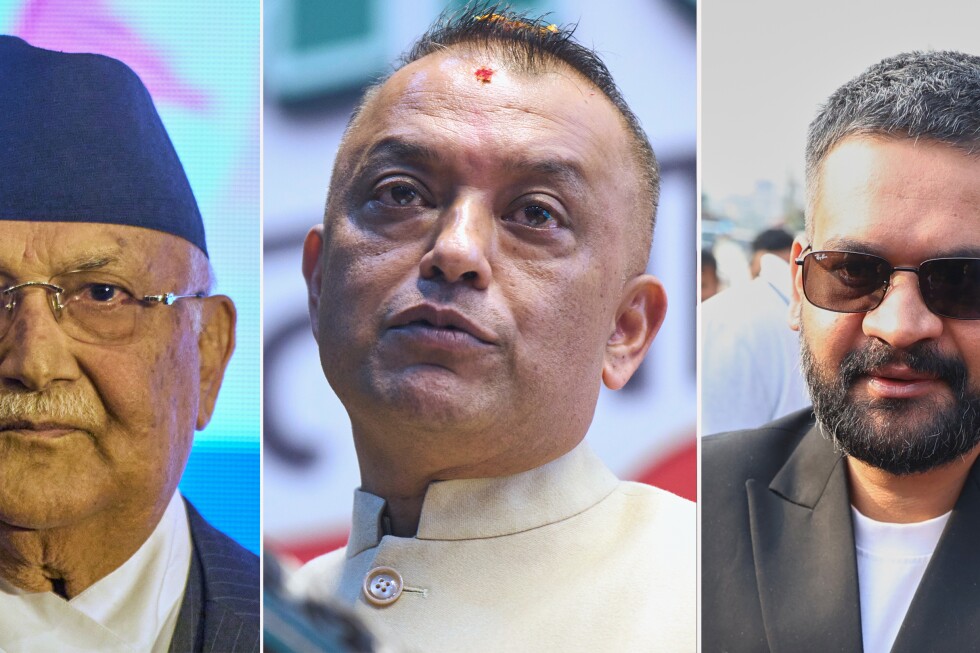
Nepal stands at a critical political juncture as the nation prepares for decisive parliamentary elections following last year’s youth-led uprising that toppled the previous government. This electoral contest features three distinct contenders representing divergent political philosophies, each vying to become Nepal’s 16th prime minister since the monarchy’s abolition in 2008—a statistic underscoring the chronic instability that has characterized the Himalayan nation’s governance.
The electoral frontrunner emerges as Balendra Shah, a 35-year-old former rapper and structural engineer who captured public imagination during his tenure as Kathmandu mayor. Known popularly as ‘Balen,’ Shah’s anti-establishment platform propelled him to municipal victory in 2022, where he gained recognition for addressing urban challenges including illegal vending and waste management, though not without controversy regarding his aggressive demolition policies. Now leading the National Independent Party, Shah’s campaign rhetoric emphasizes equitable access to education and healthcare for Nepal’s economically disadvantaged populations.
Gagan Thapa, 49, represents the established political order as the newly elected leader of Nepal’s oldest political force, the Nepali Congress. Having recently overcome internal party resistance to secure leadership, Thapa positions himself as a reformist within the traditional democratic framework. His platform prioritizes the elimination of systemic corruption within five years and establishing greater governmental accountability, addressing directly the grievances that fueled last year’s deadly protests that claimed dozens of lives.
The third contender, former Prime Minister Khadga Prasad Oli, seeks a return to power despite being ousted during last year’s violent unrest. The controversial communist leader maintains significant support within his party base, advocating for policy stability and economic development. Oli’s political stature previously surged during his confrontation with India’s 2015 economic blockade, which caused severe shortages throughout Nepal.
This triangular contest occurs against the backdrop of Nepal’s delicate geopolitical positioning between regional powers China and India, with Oli’s communist factions historically leaning toward Beijing while Thapa’s Nepali Congress maintains closer ties to New Delhi. The election outcome will determine not only domestic policy direction but also potentially recalibrate Nepal’s international alignments.