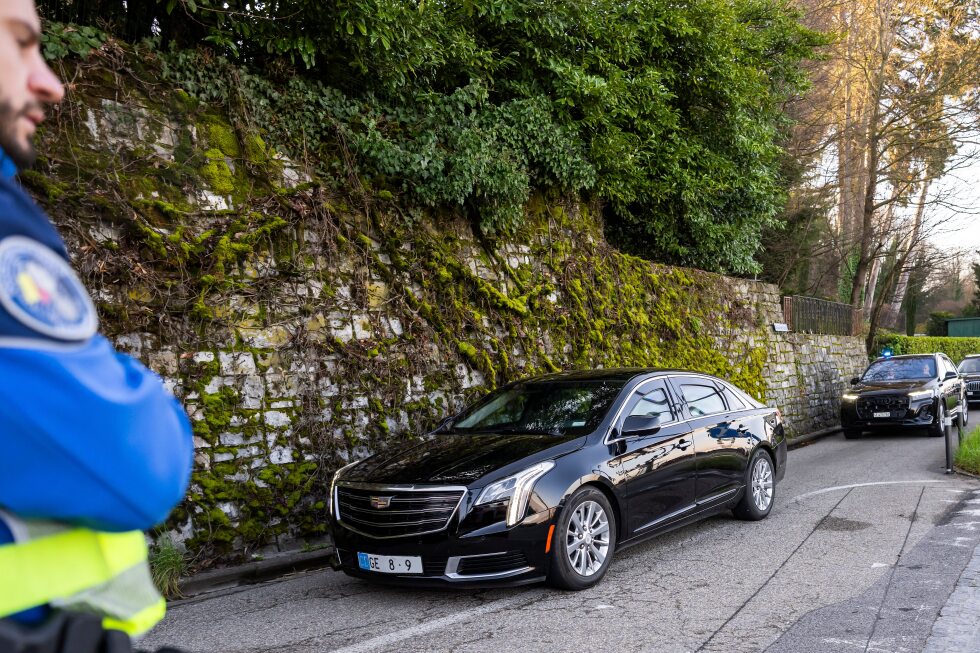
GENEVA — Diplomatic efforts to address Iran’s nuclear program resumed Thursday as Iranian and American officials convened in Geneva for high-stakes negotiations, occurring against a backdrop of intensified military posturing and regional instability. The talks represent what many observers consider a final opportunity for peaceful resolution before potential military confrontation.
The United States has significantly bolstered its naval and aerial presence throughout the Middle East, a strategic maneuver intended to pressure Tehran into accepting constraints on its nuclear activities. President Donald Trump seeks to capitalize on Iran’s domestic vulnerabilities, including widespread civil unrest that erupted during nationwide protests last month.
Iran maintains its right to uranium enrichment despite substantial damage to its nuclear infrastructure from American airstrikes in June during last year’s twelve-day conflict. Iranian officials have issued stark warnings that any U.S. military action would trigger retaliatory strikes against American bases across the region, potentially endangering tens of thousands of U.S. personnel and escalating into a broader regional war involving Israel.
Iranian Foreign Minister Abbas Araghchi characterized the potential conflict as “devastating” with “no victory for anybody” in remarks to India Today prior to his departure for Geneva. He emphasized that American military installations throughout the region would make widespread engagement inevitable.
This third round of discussions since June’s hostilities again features Omani mediation, with Sultanate officials facilitating communication between the parties. Araghchi consulted with Omani Foreign Minister Badr al-Busaidi upon arriving in Geneva Wednesday evening to review proposals based on principles established during previous negotiations.
The current American negotiating position, conveyed through special envoy Steve Witkoff—a billionaire real estate developer and Trump confidant—includes demands for complete cessation of uranium enrichment, restrictions on ballistic missile development, and curtailment of Iran’s support for regional militant groups. Tehran insists discussions must remain exclusively focused on nuclear matters.
U.S. intelligence assessments acknowledge Iran has not resumed weapons-grade enrichment since June’s attacks but indicates the country has undertaken preparatory activities that could facilitate nuclear weapon development. Satellite imagery analysis suggests Iranian technicians are conducting assessment and potential recovery operations at previously bombed facilities, though International Atomic Energy Agency inspectors remain barred from these sites.
The potential consequences of failed diplomacy extend beyond direct military confrontation. Recent fluctuations in global oil prices reflect market concerns about possible Iranian retaliation against Persian Gulf shipping lanes, particularly the strategically vital Strait of Hormuz through which twenty percent of globally traded oil passes.