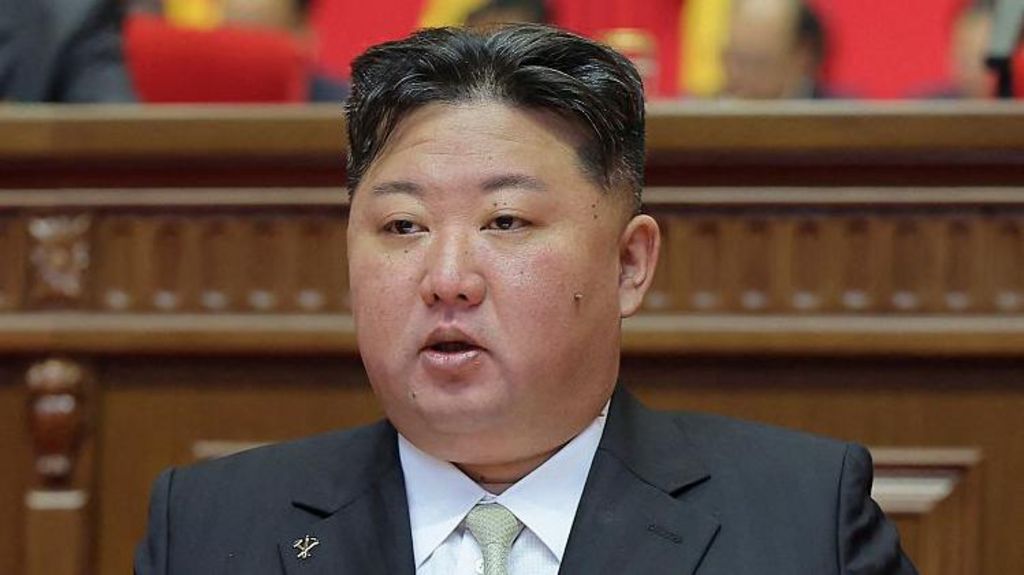
In a significant address at the Ninth Congress of the Workers’ Party of Korea in Pyongyang, North Korean leader Kim Jong Un presented a dual-track approach to international relations, coupling overt nuclear expansion with conditional diplomatic overtures toward the United States. Kim declared that Washington must formally acknowledge North Korea’s constitutional status as a nuclear power and abandon its ‘hostile policy’ for bilateral relations to normalize.
The reclusive leader framed the future of US-North Korea relations as entirely dependent on American posture, stating Pyongyang stands prepared for either ‘peaceful coexistence or permanent confrontation.’ This carefully calibrated messaging represents the most explicit roadmap for engagement offered to the incoming US administration since diplomatic talks stalled in 2019.
Simultaneously, Kim adopted an uncompromising stance toward South Korea, designating Seoul as Pyongyang’s ‘most hostile entity’ and permanently excluding it from the ‘category of compatriots.’ He advised South Korea that its only path to security lay in complete disengagement from inter-Korean affairs.
Military analysts note Kim’s explicit directive to ‘increase the number of nuclear weapons and expand nuclear operational means’ signals continued defiance of international sanctions. The Stockholm International Peace Research Institute estimates North Korea currently possesses approximately 50 assembled warheads with fissile material for 40 additional devices.
The geopolitical context surrounding Kim’s address gains significance ahead of former President Trump’s anticipated visit to China in April. Trump’s 2025 global security strategy notably omitted denuclearization of the Korean Peninsula as an objective—a departure from two decades of consistent US policy—fueling speculation about potential renewed diplomacy.
Notably, Kim’s teenage daughter Ju Ae appeared alongside her father during closing ceremonies, wearing matching military attire. Her prominent visibility follows assessments from South Korea’s National Intelligence Service suggesting she’s being groomed as political successor, though her exact role remains unclear.