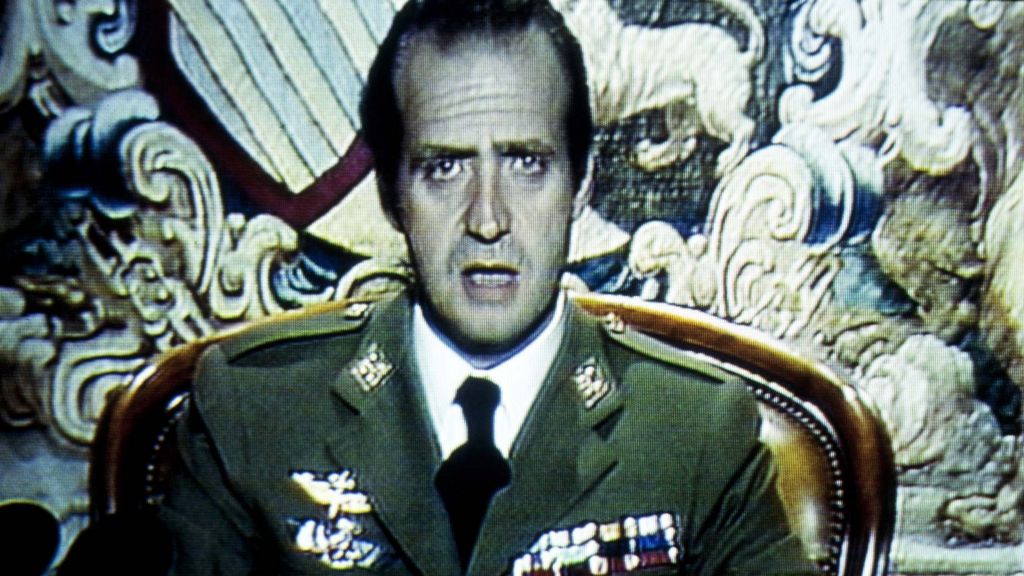
In a significant move toward historical transparency, the Spanish government has declassified and released 153 previously secret files related to the failed military coup of February 23rd, 1981—a pivotal event that threatened the nation’s nascent democracy. The long-awaited documents, which caused such public anticipation that they temporarily crashed the government’s webpage upon release, include police reports, judicial investigations, transcripts of official conversations, and reactions from foreign governments.
The attempted coup, occurring just six years after the death of dictator Francisco Franco, saw armed Civil Guard officers storm the parliament building during a swearing-in ceremony, taking lawmakers hostage in an effort to restore authoritarian rule. Their failure is widely attributed to King Juan Carlos I, who delivered a decisive televised address denouncing the rebellion and ordering military forces to remain in their barracks. This action cemented his reputation as the guardian of Spanish democracy for decades.
However, the newly released archives appear to contain no definitive evidence supporting persistent conspiracy theories that the king had prior knowledge of or involvement in the plot. Instead, they reveal several previously undisclosed operational details: six members of the intelligence services were implicated in the scheme, and security forces estimated that a potential raid on the occupied parliament could have resulted in 80 to 110 fatalities.
The document release also includes international messages of support received after the coup’s failure, notably a communication from Britain’s Queen Elizabeth II expressing relief at the “final result.” The current administration under Prime Minister Pedro Sánchez characterized the decades-long classification as a “historical anomaly” and stated that transparency would help dispel false narratives while posing no risk to individuals involved.