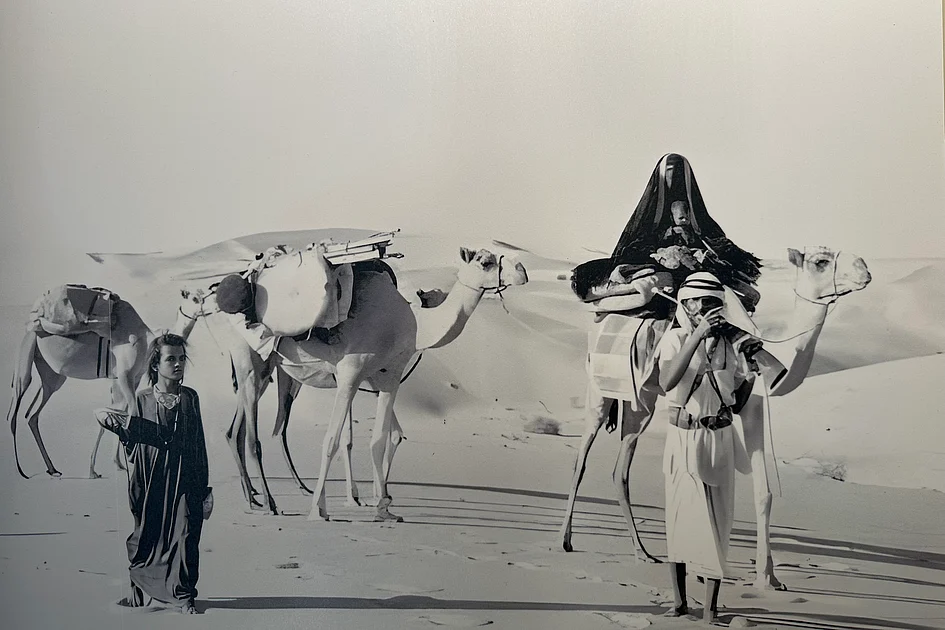
Nestled within Sharjah’s central region, Fili village emerges as a monumental testament to the United Arab Emirates’ pre-modern commercial ingenuity. Long before contemporary infrastructure defined the landscape, this settlement functioned as the vital nexus connecting the Arabian Gulf with the Gulf of Oman, serving as the beating heart of desert commerce for centuries.
The community’s name derives from ‘falaj’ – an ancient irrigation network dating back to the Iron or Bronze Age that transformed arid terrain into fertile ground. These sophisticated underground channels harnessed water from wadis and highlands, enabling agricultural sustainability that supported both local inhabitants and the countless trade caravans traversing the region. While approximately a hundred falaj systems remain operational today across the UAE, their historical prevalence numbered in the thousands, underscoring Fili’s exceptional cultural significance.
Strategic defense and economic activity centered around Fili Fort, constructed between the 18th and 19th centuries as part of a regional defensive network. The fortress provided protective oversight of precious water sources and trade routes, featuring architectural innovations including gate openings through which defenders could dispel attackers with heated substances. Beyond its military function, the fort facilitated vibrant commercial exchange where caravans rested, traded goods, and replenished essential provisions.
Three primary seasonal trade routes converged at Fili: the Date Harvest route (Darb Al Karyat) transporting summer harvests via camel caravans; the Fish Route (Darb Al Tararid) moving preserved seafood from Ras Al Khaimah’s northern coasts; and the year-round Fuel Route (Darb Al Sakham) supplying charcoal and firewood to urban centers like Dubai and Sharjah.
Under the visionary leadership of Sheikh Dr Sultan bin Muhammad Al Qasimi, Ruler of Sharjah, Fili is experiencing a cultural renaissance. Comprehensive restoration initiatives include fort rehabilitation, recreation of traditional heritage markets, establishment of pet-friendly facilities, and experiential projects simulating historical caravan journeys. Most significantly, the revitalization of ancient falaj systems and agricultural restoration are breathing new life into the very foundations that originally sustained this remarkable desert hub.
Today, Fili stands not as a relic of bygone eras but as a living museum, continuing its centuries-old role of connection—now bridging modern visitors with the UAE’s profound historical legacy rather than joining two seas through trade.