Escalating geopolitical friction between the United States and Iran continues to exert significant pressure on global oil markets, creating substantial volatility that may impact fuel prices in the United Arab Emirates for March 2026. The ongoing tensions have injected a considerable risk premium into crude valuations, with Brent benchmark briefly surpassing the $71 per barrel threshold during February trading sessions.
Market analysts observe that the current climate of uncertainty has created an unusually volatile trading environment. As of Tuesday evening, Brent crude traded at $66.31 per barrel while West Texas Intermediate reached $71.38. The monthly average for Brent stood at $68.90 per barrel, marking a noticeable increase from January’s average of $63.47.
Norbert Rücker, Head of Economics and Next Generation Research at Julius Baer, provided critical insight: ‘The US-Iran conflict dominates oil market dynamics, with prices currently inflated by substantial geopolitical risk premiums. While military escalation appears increasingly probable, historical precedent suggests such developments don’t automatically translate to oil supply disruptions.’
Rücker further emphasized the market’s current resilience: ‘Today’s oil landscape demonstrates remarkable supply stability, supported by ample storage capacities, production exceeding consumption patterns, and significant spare output capacity. Although uncertainty persists regarding whether prices will peak in the high $70s or high $80s range, we anticipate risk premiums diminishing with prices returning below $60 by mid-year.’
The strategic significance of the Strait of Hormuz adds another dimension to market concerns. Recent temporary closures by Iranian authorities caused insurance premiums for this critical shipping channel to increase substantially. Daniela Hathorn, Senior Market Analyst at Capital.com, noted: ‘Iran’s geographical position adjacent to the Strait—through which approximately 20% of global oil shipments pass—means any sustained disruption could have profound consequences for energy markets worldwide.’
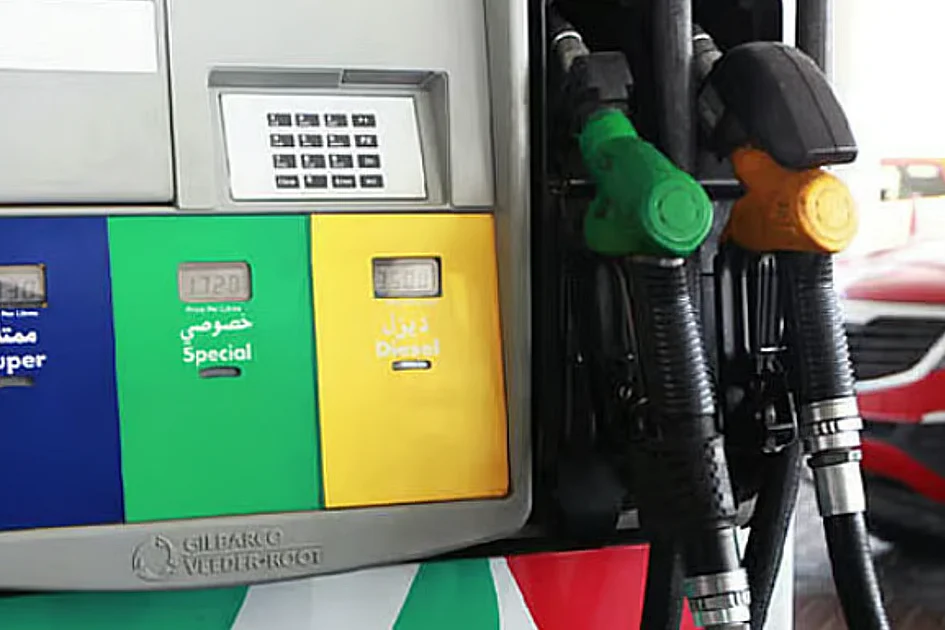
Despite February’s price reduction of 8-9 fils per liter for UAE consumers, bringing Super 98, Special 95 and E-Plus 91 to Dh2.45, Dh2.33 and Dh2.26 respectively, market watchers remain cautious about March pricing. The complex interplay between geopolitical tensions and market fundamentals continues to create an unpredictable pricing environment for both crude and refined petroleum products.