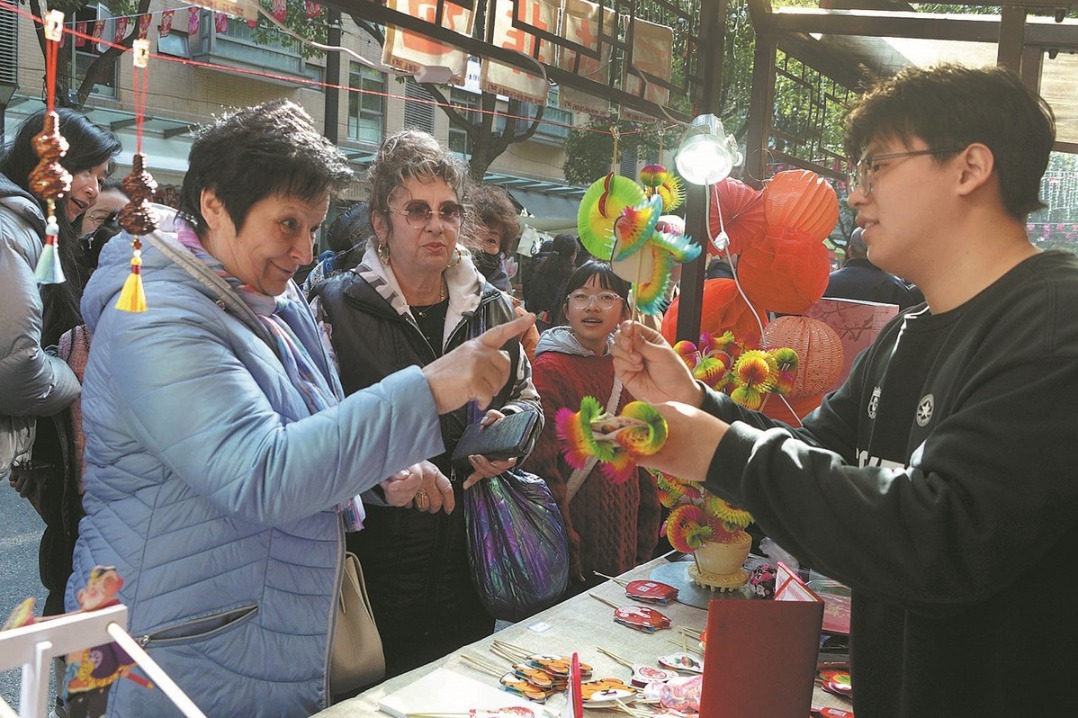
A significant shift in travel patterns emerged during China’s recent Spring Festival holiday, as tourists increasingly bypassed major metropolitan centers in favor of lesser-known towns and cities offering authentic cultural experiences. The extended nine-day holiday period, spanning from February 15 to February 24, 2026, witnessed unprecedented visitor numbers to destinations celebrated for their distinctive heritage, culinary traditions, and Neo-Chinese architectural blends.
Datong in Shanxi province exemplified this trend, experiencing a remarkable surge in popularity following the release of the video game ‘Black Myth: Wukong’ in 2024. Visitors like Beijing resident Sha Anna reported being captivated by the city’s lantern shows viewed from ancient walls and its renowned knife-cut noodles. ‘The city left us with memories of historical legacies and human touch,’ she remarked, planning a return visit for next year’s celebrations.
Travel data from platform Tuniu revealed dramatic increases: Baoting Li and Miao Autonomous County in Hainan and Dehong Dai and Jingpo Autonomous Prefecture in Yunnan saw tourist numbers double compared to previous years. Similarly, Chaozhou in Guangdong, along with Shangrao and Jingdezhen in Jiangxi, experienced 100% year-on-year growth in visitor numbers.
The phenomenon extended beyond domestic tourism. Qunar reported a 20% year-on-year increase in flight bookings to mainland China by international travelers holding non-Chinese passports. These visitors, primarily from South Korea, Vietnam, Singapore, Australia, and the United States, sought immersive cultural experiences rather than traditional sightseeing, with destinations like Jinggangshan in Jiangxi and Altay in Xinjiang gaining prominence alongside Shanghai and Beijing.
Meanwhile, outbound travel also flourished during the extended holiday. Chinese tourists favored destinations with shorter flight times, favorable visa policies, and mild climates, including Bangkok, Kuala Lumpur, and Hong Kong. Italy, host of the recently concluded Milano Cortina 2026 Winter Olympics, saw a 64% increase in flight bookings from Chinese travelers during the holiday’s initial days.
The global recognition of Spring Festival as a UNESCO Intangible Cultural Heritage in 2024 has further amplified international interest in China’s traditional celebrations, creating a robust tourism ecosystem that benefits both emerging destinations and travelers seeking authentic experiences.