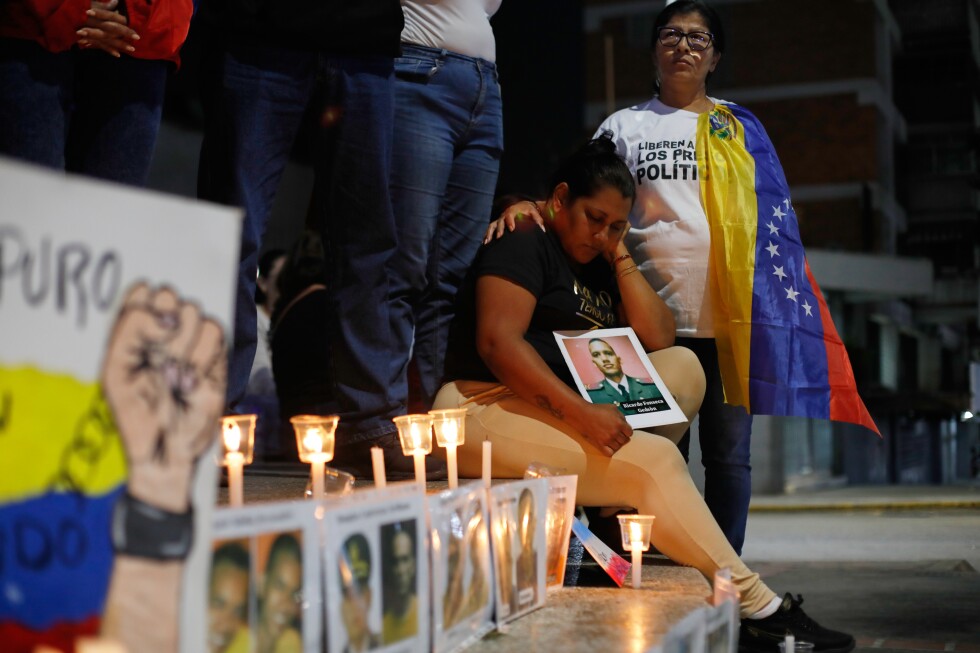
Venezuelan authorities have commenced a significant prisoner release initiative, with 379 individuals detained for political reasons expected to gain freedom this weekend under a newly enacted amnesty law. The measure, signed into law Thursday, represents a dramatic policy reversal for a government that has historically denied holding political prisoners.
The amnesty legislation benefits opposition figures, activists, human rights defenders, and journalists who have been detained for periods ranging from months to years. Jorge Arreaza, president of the special commission overseeing the law’s implementation, announced on state television Friday that all received applications would be processed for release between Friday and Saturday, with additional releases possible within the next 15 days.
This development follows last month’s U.S. military operation in Caracas that resulted in the capture of former President Nicolás Maduro. Current acting President Delcy Rodríguez characterized the law as demonstrating political leaders’ willingness to “let go of a little intolerance and open new avenues for politics in Venezuela.”
However, the legislation contains significant exclusions for those convicted of homicide, drug trafficking, serious human rights violations, and military rebellion. Human rights organizations have criticized these limitations, arguing they prevent true national reconciliation.
Alfredo Romero, president of prisoners’ rights group Foro Penal, declared on social media that excluding military personnel and prominent political figures makes the law “discriminatory and unconstitutional,” adding that genuine national coexistence cannot exist under these conditions.
According to monitoring by Venezuela-based nonprofit Justice, Encounter and Forgiveness, 459 detainees held for political reasons were released between January 8 and February 20, though relatives and watchdogs have criticized the slow pace and restrictive conditions of releases.