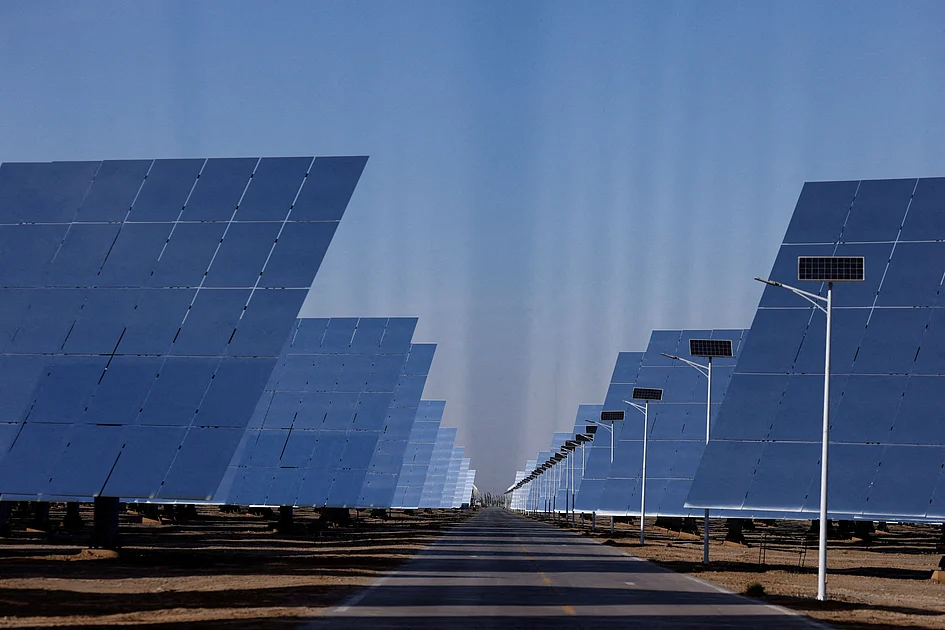
In a landmark move for regional energy cooperation, Saudi Arabia and Turkey have formalized a major solar power agreement that will significantly advance Turkey’s renewable energy infrastructure. The deal, signed on February 20, 2026, at an Ottoman-era palace overlooking Istanbul’s Bosphorus Strait, involves Saudi energy developer ACWA constructing two massive solar plants in central Turkey’s Sivas and Karaman provinces.
The project represents one of the most substantial energy investments in Turkish history, with the combined facilities boasting a generation capacity of 2,000 megawatts—sufficient to power approximately 2.1 million households. This initiative builds upon a $2 billion intergovernmental energy agreement established during Turkish President Recep Tayyip Erdogan’s pivotal visit to Riyadh earlier this month.
Turkish Energy Minister Alparslan Bayraktar celebrated the partnership as transformative for Turkey’s energy landscape, noting that it will deliver electricity at historically competitive rates while advancing the nation’s renewable objectives. Bayraktar emphasized Turkey’s ongoing ‘energy revolution,’ revealing that renewable sources already constitute 62% of the country’s installed electricity capacity, with solar and wind generation having expanded from negligible levels to over 40,000 megawatts today.
The timing of this agreement carries additional significance as Turkey prepares to host the United Nations COP31 climate summit later this year. Despite these renewable advances, official data indicates coal still accounted for 33.6% of Turkey’s electricity generation last year. Minister Bayraktar addressed this dependency, outlining a transitional strategy where coal would initially be replaced by natural gas, with nuclear energy providing a long-term solution alongside expanded renewable infrastructure.
Turkey has established ambitious climate targets, including achieving net zero emissions by 2053 and expanding its solar and wind capacity to 120,000 megawatts by 2035. This Saudi-Turkish collaboration marks a substantial step toward these goals while strengthening economic ties between two pivotal regional powers.