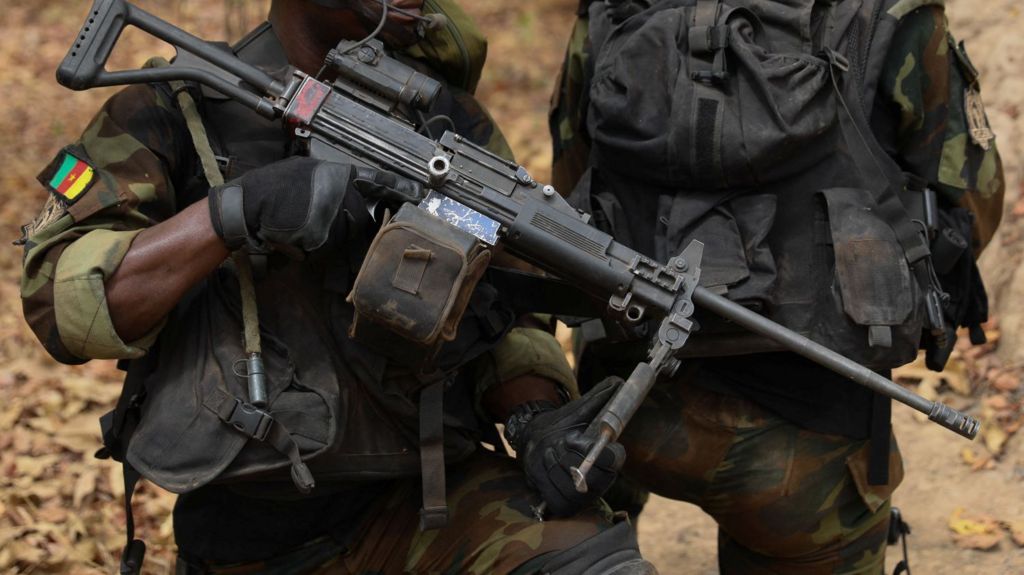
In an unprecedented judicial ruling, three Cameroonian military personnel have received prison sentences ranging from five to ten years for their involvement in the 2020 Ngarbuh village massacre that claimed 21 civilian lives. The conviction marks a rare instance of accountability for security forces in Cameroon’s protracted Anglophone conflict.
The military tribunal found the soldiers guilty on multiple charges including murder, arson, and property destruction during a February 2020 operation in the Northwest region. According to Human Rights Watch documentation, the victims included thirteen children among those killed when government forces and ethnic Fulani militia members raided the settlement.
This judicial outcome represents a significant departure from customary impunity for military personnel in civilian atrocities. The case gained international prominence after initial government denials collapsed under evidentiary pressure, prompting President Paul Biya to authorize an official investigation.
Legal representatives for the victims expressed profound dissatisfaction with the sentencing severity. Attorney Sother Menkem characterized the penalties as “insignificant” and “friendly” given that Cameroonian law mandates minimum ten-year sentences for such felonies. The court additionally rejected victim compensation claims and declined to prosecute higher-ranking officials allegedly responsible for ordering the operation.
The Ngarbuh case endured six years of procedural delays before concluding, highlighting systemic challenges in addressing human rights violations within Cameroon’s ongoing separatist conflict. Since 2017, English-speaking regions have witnessed violent clashes between government forces and separatists advocating for an independent state.
United Nations data indicates the broader conflict has resulted in approximately 6,000 fatalities and displaced over 500,000 civilians, with both government and rebel forces facing allegations of widespread human rights abuses. The sentencing, while historic, underscores continuing tensions between judicial accountability and conflict resolution in Central Africa.