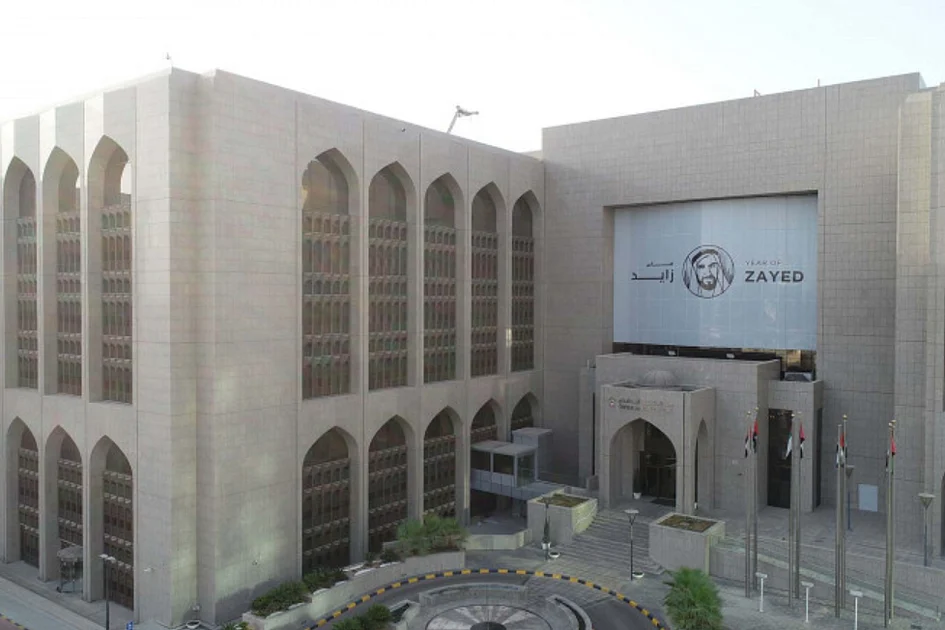
The United Arab Emirates is executing a strategic transition of regulated stablecoins from experimental pilots into mainstream commercial applications, establishing itself as a global leader in blockchain-enabled financial infrastructure. This transformative shift is governed by the Central Bank of UAE’s comprehensive regulatory framework that mandates strict monetary safeguards while paving the way for future interoperability with the national digital currency.
According to the landmark report ‘The UAE Blockchain Ecosystem’ produced through collaboration between Abu Dhabi Blockchain Center and Binance, the nation has cultivated an optimal environment for institutional blockchain deployment through regulatory precision, diversified capital investment, and increasing market influence. The ecosystem has progressed beyond preliminary testing phases into active production implementation across numerous enterprise applications.
The regulatory cornerstone emerged in July 2024 when the Central Bank instituted the Payment Token Services Regulation, establishing requirements for 100% reserve backing of dirham-denominated payment tokens. The framework explicitly prohibits algorithmic and privacy tokens for payment purposes while restricting foreign-currency stablecoins primarily to trading pairs on licensed exchanges, thereby maintaining the dirham’s supremacy in domestic commerce.
In October 2024, AE Coin achieved distinction as the first fully licensed AED-pegged stablecoin through DhStablecoin LLC in partnership with Al Maryah Community Bank, establishing a precedent for centralized issuance within regulatory parameters rather than through peripheral crypto market channels. The adoption momentum accelerated dramatically in December 2025 when ADNOC Distribution signed a memorandum to accept AE Coin across approximately 980 service stations throughout the UAE, Saudi Arabia, and Egypt. This deployment extends stablecoin functionality to fuel purchases, convenience store transactions, and car wash facilities, representing one of the most extensive retail implementations of regulated payment tokens worldwide.
Concurrently, telecommunications provider e& UAE initiated a partnership to pilot AE Coin for consumer bill payments, mobile recharges, and digital services, indicating stablecoin integration into essential utility payments. Additional dirham-referenced initiatives are advancing through consortiums involving International Holding Company, ADQ, and First Abu Dhabi Bank, which announced plans for bank-issued dirham stablecoins. Zand Bank secured regulatory approval in November 2025 to launch a dirham-pegged token on public blockchains, demonstrating competition emerging within the licensed payment-token category among both traditional financial institutions and fintech innovators.
The UAE’s nuanced approach permits non-dirham stablecoins in appropriate contexts: USD and EUR stablecoins have received recognition within specific free-zone frameworks for trading and settlement purposes, though not for routine domestic merchant transactions. This balanced methodology aligns capital market liquidity requirements with retail commerce monetary policies.
This stablecoin implementation coincides with the inaugural retail phase of the Digital Dirham, launched in December 2025 through payment service providers to offer residents instantaneous, fee-exempt peer-to-peer transfers. The central bank has strategically positioned this central bank digital currency (CBDC) initiative as complementary to private payment tokens, incorporating design provisions that anticipate future interoperability between the Digital Dirham and licensed stablecoins to ensure uniform settlement standards across both public and private financial channels.
The policy emphasis reflects the UAE’s high-volume payments economy, where domestic systems processed over Dh20 trillion in transfers during the first ten months of 2025. As one of the world’s largest sources of outbound remittances, the nation prioritizes transaction velocity, system resilience, and regulatory compliance as fundamental design objectives.
Licensed infrastructure providers are developing solutions aligned with these regulations. Payment specialists and financial institutions are piloting AED-to-stablecoin conversion mechanisms and exploring tokenized deposits for on-chain treasury operations that remain entirely within the banking ecosystem. Regulated exchanges and custodians are integrating dirham-token parameters into both consumer and institutional workflows. Operational standards encompass reserve segregation, net liquid asset thresholds, technological safeguards, cybersecurity controls, and continuous reporting requirements, embedding compliance throughout the issuance and distribution processes.
The emerging consideration focuses not on policy direction but implementation specifics. Point-of-sale adoption will depend on wallet interoperability among multiple dirham stablecoins, merchant integration expenses, and technical alignment with Digital Dirham interfaces. With numerous bank-backed issuers developing products and an active CBDC pilot offering commission-free transfers, the UAE is positioned for dual-track evolution where regulated private tokens and public digital currency expand concurrently, normalizing dirham-denominated digital money across petroleum, telecommunications, and daily retail while containing non-dirham stablecoins to trading and institutional contexts under combined free-zone and federal supervision.