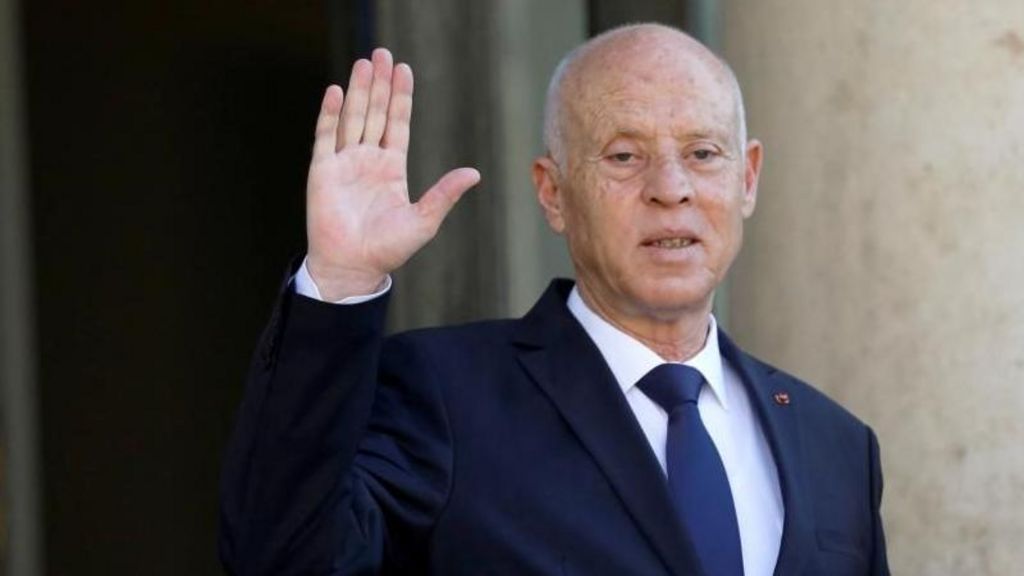
A Tunisian court has imposed an eight-month prison sentence on parliament member Ahmed Saidani for social media commentary deemed insulting to President Kais Saied. The charges stem from Saidani’s satirical Facebook posts criticizing the president’s response to recent catastrophic flooding that claimed multiple lives.
Judicial authorities confirmed Saidani was convicted under Article 86 of the telecommunications code, which criminalizes ‘harming others via social media’ with penalties extending to two years imprisonment. The lawmaker’s detention occurred Thursday following his arrest earlier this month.
Saidani’s legal representative, Houssem Eddine Ben Attia, characterized the prosecution as politically motivated, telling AFP the case represents a concerning application of telecommunications legislation to suppress government criticism.
The incident has intensified scrutiny of Saied’s governance approach since his 2021 suspension of parliament and assumption of decree powers. Human rights organizations document escalating suppression of dissent, including November’s mass sentencing of opposition figures accused of attempted government overthrow.
Notably, Saidani previously supported Saied’s power consolidation but recently emerged as a vocal critic. His social media posts sarcastically referred to the president as ‘supreme commander of sanitation and rainwater drainage’ and accused him of photo-opportunism during disaster response while avoiding substantive accountability.
Fellow legislator Bilel Mechri condemned the imprisonment as institutional sabotage, telling Reuters: ‘How can parliament hold the executive authority to account if it carries out an unlawful arrest over critical views?’
The case tests Tunisia’s parliamentary immunity provisions, which typically protect lawmakers from detention during official duties except for criminal offenses.
President Saied, elected in 2019 on promises of stabilizing Tunisia’s post-Arab Spring democracy, maintains his actions uphold legal standards and national cleansing efforts. The 67-year-old leader denies authoritarian tendencies despite mounting international concern over Tunisia’s democratic backsliding.