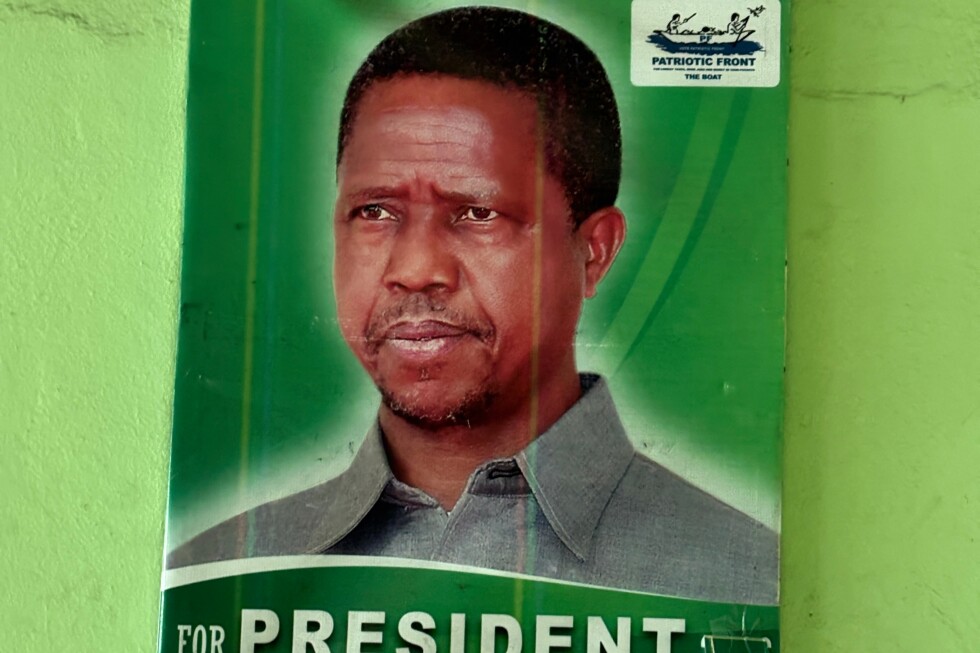
LUSAKA, Zambia — The mortal remains of former Zambian President Edgar Lungu continue to be held in a South African mortuary eight months after his death, trapped in an extraordinary standoff that blends political rivalry with deep-seated spiritual beliefs. The protracted dispute has prevented the dignified burial traditionally accorded to national leaders in Zambian culture.
At the heart of the conflict lies a cemetery in Zambia’s capital where an empty, president-sized grave awaits occupancy—a physical manifestation of the bitter divide between Lungu’s family and his successor, President Hakainde Hichilema. Court rulings have consistently favored the government’s position, yet Lungu’s family maintains their resistance, honoring the former leader’s dying wish that Hichilema should not approach his body, even as a mourner.
This unprecedented situation has evolved into what religious authorities describe as a spiritual confrontation transcending political dimensions. Bishop Anthony Kaluba of Lusaka’s Life of Christ congregation characterizes the struggle as fundamentally spiritual rather than political. The dispute reflects Zambia’s complex intersection of modern democracy and traditional belief systems, where curses and blessings from the dying hold significant cultural power.
Academic experts note that across Africa, final words from elders possess transformative power to either enhance or obstruct life. Chammah J. Kaunda, a Zambian professor of African Pentecostal theology, explains that curses imposed by elders facing death can develop autonomous existence beyond their initial utterance.
The conflict originates in Zambia’s vibrant democratic tradition where civilian leaders have succeeded through electoral merit rather than military strength. However, beneath this modern political framework thrives a culture where traditional spirituality coexists with Christianity, and the fear of spiritual retaliation remains potent.
The courtroom battles have proven intense. A South African court ruled in August that Zambian authorities could repatriate Lungu’s body, but the former president’s sister, Bertha Lungu, responded with emotional outbursts, accusing Hichilema of seeking the body for ritual purposes—an allegation the current president denies, citing his Christian faith’s rejection of traditional religious practices.
The rivalry between these two figures spans years: Lungu narrowly defeated Hichilema in the 2015 presidential race following Michael Sata’s death, and again in 2016 when Hichilema faced treason charges and imprisonment. The tables turned in 2021 when Hichilema secured victory, leading to the withdrawal of Lungu’s retirement benefits and legal troubles for his family members.
As the impasse continues, it raises profound questions about political reconciliation, cultural traditions, and the complex legacy of leadership in a nation where the boundaries between the physical and spiritual worlds remain deeply interconnected.