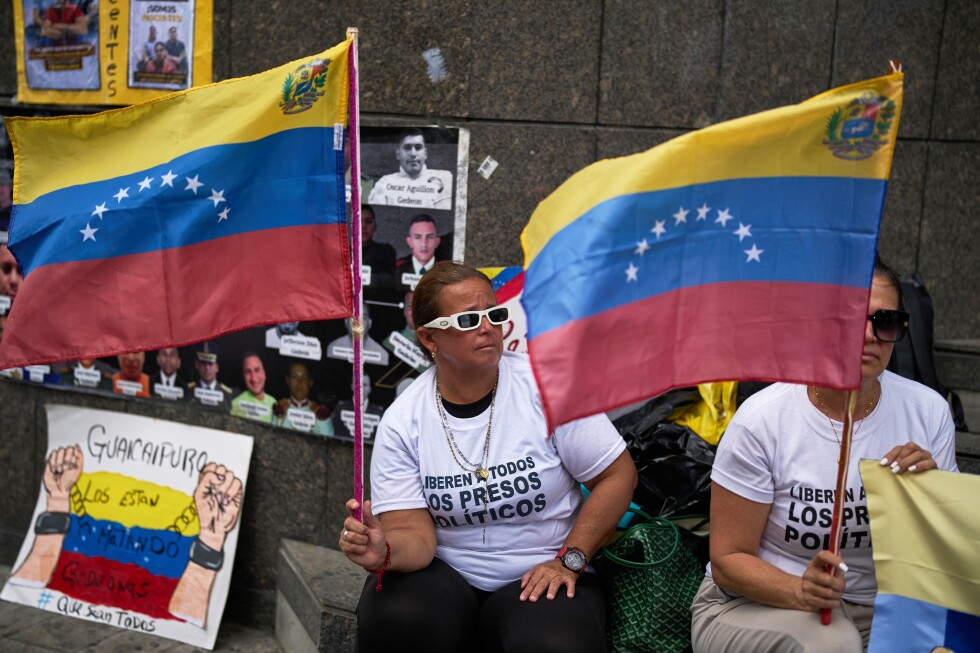
CARACAS, Venezuela — Venezuela’s National Assembly reconvened Thursday to deliberate a landmark amnesty bill that could liberate hundreds detained for political activities, marking a significant policy shift in the wake of former President Nicolás Maduro’s dramatic capture by U.S. forces. The proposed legislation offers potential relief to opposition figures, activists, human rights defenders, and journalists targeted during the ruling party’s 27-year tenure. Last week’s debate stalled over contentious eligibility criteria, particularly regarding exiled individuals who fled to evade detention, revealing substantial resistance from government loyalists toward granting opposition members reprieve. Acting President Delcy Rodríguez introduced the measure weeks after U.S. military operatives apprehended Maduro in a January 3 raid in Caracas, extraditing him to New York to confront drug trafficking allegations. This amnesty initiative represents Venezuela’s most substantial policy reversal since commencing compliance with Trump administration directives, including last month’s comprehensive overhaul of national oil industry regulations. The bill explicitly acknowledges Venezuela’s political prisoner crisis—a reality long denied by authorities—by proposing “general and full amnesty for crimes or offenses” during politically turbulent periods since 1999, including events surrounding the 2024 presidential election that triggered widespread protests and over 2,000 arrests. While lawmakers approved the measure’s foundational purpose, they suspended proceedings over coverage disputes, including whether government-accused individuals living in exile or hiding domestically should qualify. Ruling party legislators, including Maduro’s son, argued during debates that beneficiaries must first submit to Venezuela’s justice system, citing legal prohibitions against trials in absentia. This position disregards documented judicial irregularities where defendants frequently face fabricated charges, lack legal representation, and are denied access to incriminating evidence within a system dominated by ruling-party-aligned judges. Prisoners’ rights organization Foro Penal estimates over 600 individuals remain incarcerated for political reasons. Although Rodríguez’s administration pledged significant prisoner releases following Maduro’s capture, human rights monitors and families have criticized the slow implementation pace, with only 448 documented releases. Relatives awaiting loved ones’ freedom have maintained vigils outside detention facilities, with some initiating hunger strikes last Saturday.
Venezuela’s National Assembly set to resume tense debate on a sweeping amnesty bill