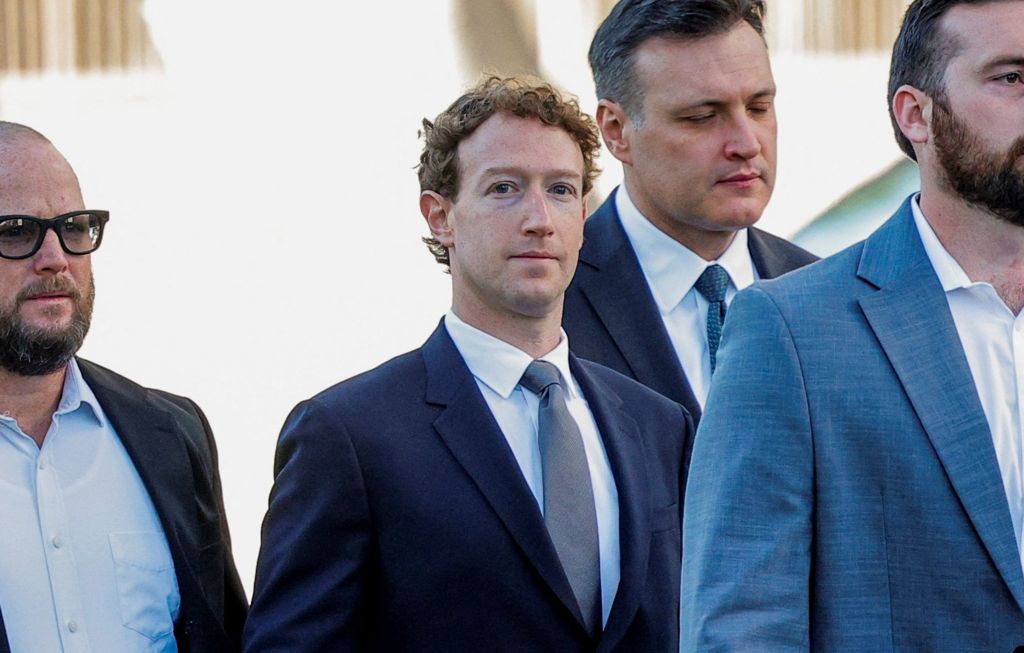
Meta CEO Mark Zuckerberg appeared in a California courtroom Wednesday to provide testimony in a groundbreaking legal proceeding examining whether social media platforms deliberately addict children. This marks Zuckerberg’s inaugural jury appearance following years of mounting criticism against his social media empire, which encompasses Instagram and WhatsApp.
The trial centers on allegations that social media companies, including Meta and Google’s YouTube, engineered their platforms to foster addictive behaviors among young users while consciously disregarding mental health risks. The case represents one of thousands of similar lawsuits currently progressing through US judicial systems, with bereaved parents among those observing the proceedings.
Notably, TikTok and Snapchat previously settled claims against them shortly before trial commencement, though settlement terms remain confidential. The lead plaintiff, identified only by initials K.G.M., began using Instagram and YouTube during childhood, with her legal team asserting these platforms fundamentally contributed to her psychological harm.
During anticipated testimony, Zuckerberg faced rigorous questioning regarding Instagram’s interface design and subsequent modifications implemented to maintain user engagement. Meta’s advertising-centric revenue model—which directly correlates profitability with increased user screen time—has come under particular scrutiny.
The courtroom drama intensified when Instagram head Adam Mosseri testified last week, controversially asserting that even 16 consecutive hours of daily Instagram usage didn’t constitute addiction. Meanwhile, YouTube CEO Neal Mohan, initially expected to testify, was unexpectedly removed from the witness list.
This case occurs alongside broader regulatory movements, as 29 state attorneys general petition a federal court to mandate immediate platform modifications—including removing all accounts belonging to users under 13—before trial conclusions. Internationally, nations including Australia, the UK, Denmark, France, and Spain are contemplating or implementing age-based social media restrictions, signaling global concern regarding youth digital welfare.