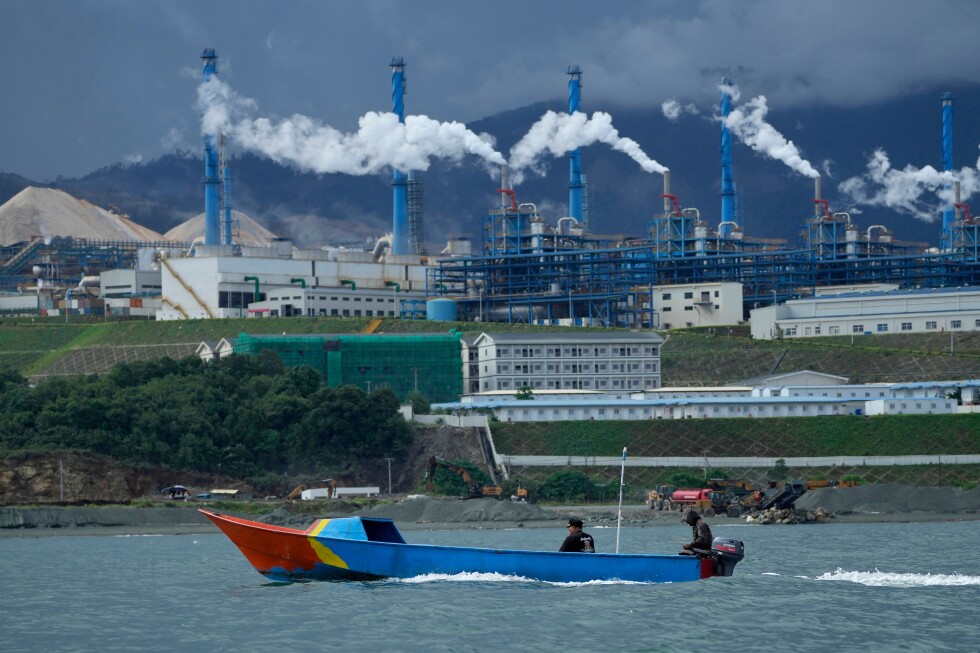
Indonesia is intensifying state control over global nickel supplies, implementing sweeping nationalization measures that could significantly impact electric vehicle supply chains worldwide. This strategic move comes as the nation grapples with evolving battery technologies and increasing geopolitical tensions between the United States and China.
The Southeast Asian nation has dramatically expanded its dominance in nickel production, now controlling approximately 60% of global supply according to S&P Global Market Intelligence data. This remarkable growth from 31.5% in 2020 follows former President Joko Widodo’s export ban on raw ore, which triggered massive Chinese-backed investment in refining infrastructure.
In 2025, Indonesian authorities launched an extensive crackdown on what they identified as illegal natural resource exploitation, seizing over 4 million hectares of mining and plantation operations while imposing $1.7 billion in fines. Government officials cited widespread corruption in licensing procedures as justification for these aggressive measures.
Environmental analysts reveal the substantial ecological cost of Indonesia’s nickel expansion. Between 2001 and 2020, mining activities drove the loss of approximately 370,000 hectares of forests—more than any other country—with over one-third comprising ancient rainforests crucial for carbon sequestration. The coal-dependent nickel smelting industry further exacerbated environmental concerns, emitting an estimated 15 million metric tons of greenhouse gases in 2023 according to IEEFA analysis.
The nationalization initiative coincides with a pivotal market shift as electric vehicle manufacturers increasingly adopt lithium iron phosphate (LFP) batteries, significantly reducing nickel dependency. This technological transition undermines Indonesia’s ambitious plan to establish a comprehensive domestic EV industry from mining to manufacturing.
Geopolitical experts note Indonesia’s delicate positioning between superpower rivals. The country faces complex negotiations with the Trump administration regarding critical minerals trade, potentially including concessions on raw nickel exports to the United States. This situation places Indonesia in a challenging diplomatic position as it attempts to balance relationships with both Washington and Beijing while maximizing leverage over its natural resources.
Investment uncertainty grows as foreign companies monitor the nationalization campaign. Recent developments include LG Energy Solution’s withdrawal from an $8.4 billion battery investment, though Chinese firms BYD and CATL continue developing manufacturing facilities. Indonesia’s domestic EV market remains nascent, with 43,000 vehicles sold in 2024 representing just 5% of total automobile sales.