The United States witnessed a notable cooling of inflationary pressures in January, with the consumer price index rising just 2.4% annually according to the latest Labor Department report. This figure represents a decline from December’s 2.7% reading and marks the most modest inflation pace observed since May.
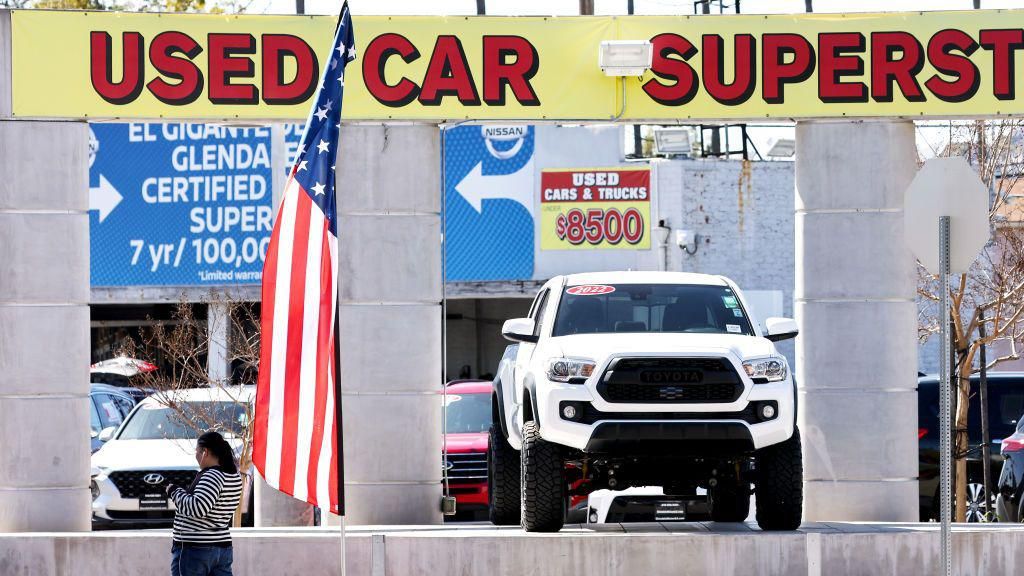
The moderation was primarily driven by declining energy costs and reduced prices in the used vehicle market. This development has intensified political pressure on the Federal Reserve to implement interest rate reductions, with the White House promptly celebrating the economic data as evidence of successful economic management.
Despite the encouraging numbers, economic analysts express caution regarding the sustainability of this disinflationary trend. Concerns persist that ongoing labor market tightness and potential full passthrough of tariff costs to consumers could stall progress toward the Federal Reserve’s 2% target inflation rate. Notably, prices for personal services including dry cleaning and haircuts surged 1.6% month-over-month and have accumulated nearly 7% annual growth.
Investment strategist Neil Birrell of Premier Miton Investors characterized the economic landscape as fundamentally strong, noting robust growth metrics, stable inflation trends, and a resilient employment market. He suggested these conditions create favorable circumstances for monetary policy adjustment.
Financial markets currently anticipate the Federal Reserve will implement rate cuts by June, though officials at Berenberg caution that persistent service sector inflation driven by wage pressures may complicate the path to achieving the central bank’s inflation target.