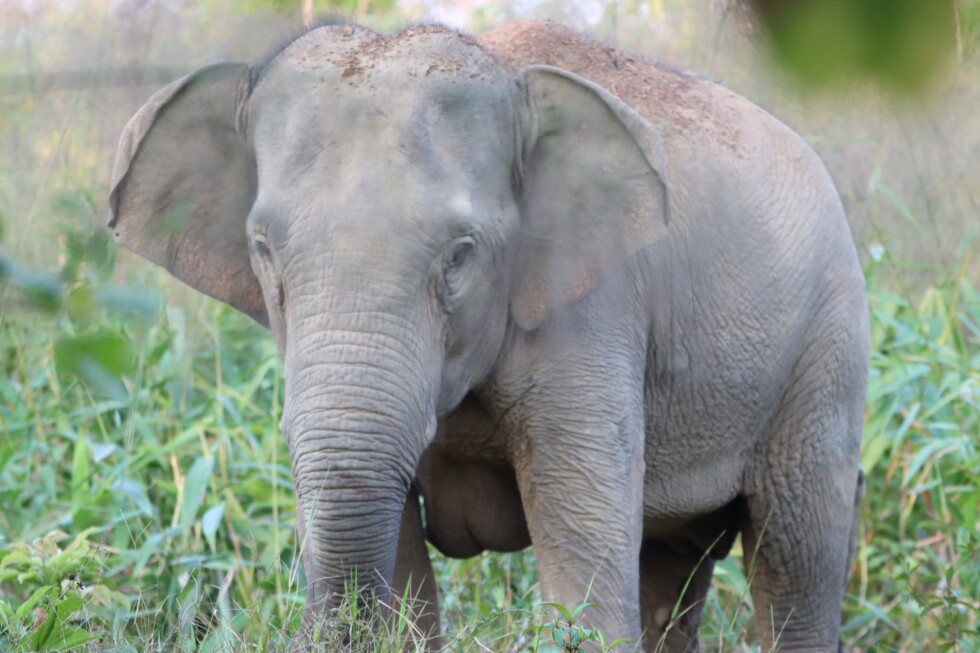
Thai wildlife authorities have initiated a pioneering conservation strategy by administering contraceptive vaccines to wild elephants in response to escalating human-elephant conflicts. This scientific intervention addresses the critical situation where expanding agricultural activities increasingly encroach upon natural elephant habitats, forcing the animals into human settlements in search of sustenance.
According to official statistics from Thailand’s Wildlife Conservation Office, wild elephants were responsible for 30 human fatalities and 29 injuries last year, alongside more than 2,000 documented incidents of crop destruction. Sukhee Boonsang, Director of the Wildlife Conservation Office, emphasized that population management has become essential as elephant numbers in proximity to residential areas continue to rise dramatically.
The vaccination program utilizes an American-developed immunocontraceptive that effectively prevents pregnancy for seven years without suppressing ovulation. Instead, the vaccine works by blocking egg fertilization. Following a successful two-year trial involving seven domesticated elephants that consumed seven vaccine doses, authorities administered the treatment to three wild elephants in Trat province in late January. With 15 remaining doses available, conservationists are currently identifying subsequent priority areas for implementation.
While the program specifically targets regions experiencing the most severe human-elephant conflicts—where wild elephant birth rates reach 8.2% annually compared to the national average of 3.5%—it has faced criticism from conservation advocates concerned about potential impacts on elephant preservation efforts. Approximately 800 of Thailand’s estimated 4,400 wild elephants inhabit these high-conflict zones.
Sukhee defended the initiative, stating that without intervention, the situation would become unmanageable for affected communities. The contraception program operates alongside complementary measures including creating additional forest water and food sources, installing protective barriers, and deploying rangers to redirect stray elephants.
The urgency of these interventions was highlighted recently when a court-ordered relocation operation in Khon Kaen province resulted in the tragic death of an elephant from anesthesia-induced choking. Department of National Parks Director General Athapol Charoenshunsa expressed regret while maintaining that established protocols were followed, with an investigation underway to prevent future incidents.