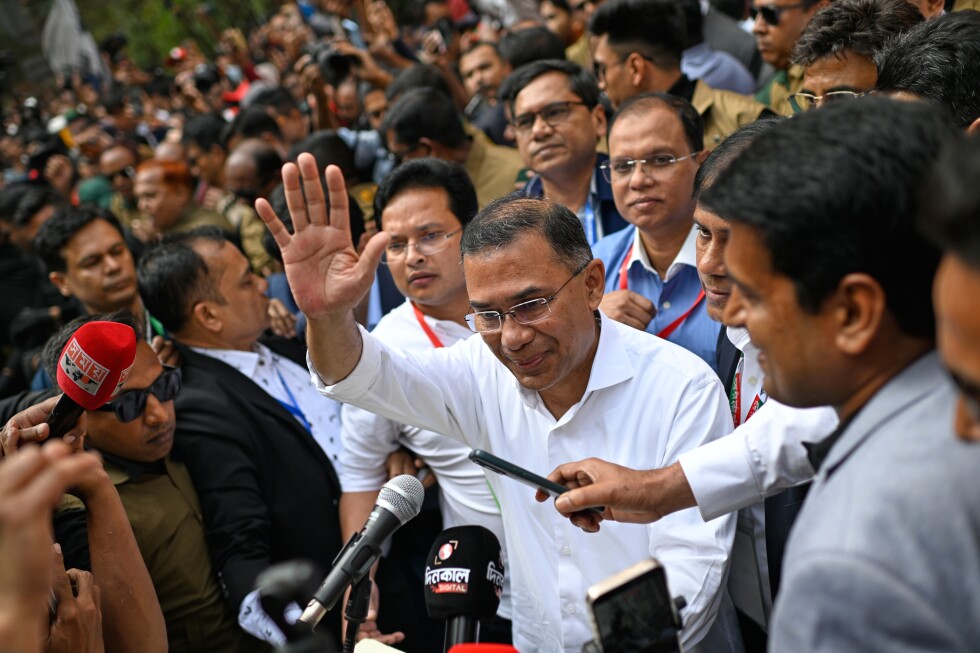
DHAKA, Bangladesh — The Bangladesh Nationalist Party (BNP) has declared an electoral triumph in the nation’s first parliamentary contest since the 2024 uprising, potentially heralding a dramatic shift in the country’s political trajectory after years of contentious governance and disputed elections.\n\nThe party’s media division announced via social media platform X on Friday that it had captured sufficient parliamentary seats to establish a standalone government. While the Election Commission has yet to release official results, multiple domestic news organizations have corroborated the BNP’s victory claim.\n\nThis electoral process unfolded under heightened security measures amid widespread apprehensions regarding democratic erosion, escalating political violence, and deteriorating rule of law. The election represents a pivotal milestone following the July 2024 student-led revolution that precipitated the downfall of former Prime Minister Sheikh Hasina, who subsequently sought exile in India.\n\nBNP’s leadership is helmed by Tarique Rahman, the party’s prime ministerial nominee who ended his 17-year self-imposed exile in London last December. The 60-year-old politician, son of late former Prime Minister Khaleda Zia, has positioned himself as a champion of democratic values in a political landscape historically marred by partisan entrenchment, military involvement, and accusations of electoral misconduct.\n\nSenior BNP official Ruhul Kabir Rizvi extended gratitude to the Bangladeshi populace for their electoral support, while Rahman’s press secretary urged supporters to observe special prayers instead of organizing victory processions.\n\nThe United States Embassy in Dhaka formally congratulated Rahman and his party, characterizing the outcome as a \”historic victory.\” U.S. Ambassador Brent T Christensen expressed anticipation for collaborative efforts toward mutual prosperity and security objectives.\n\nThis election was widely perceived as a critical examination of Bangladesh’s capacity to rehabilitate democratic institutions and translate public dissent into substantive political transformation. The BNP had previously boycotted multiple elections during Hasina’s 15-year tenure, alleging systematic vote manipulation and political suppression.\n\nRahman’s return became feasible after corruption and criminal cases against him—which he maintains were politically motivated—were discontinued following the collapse of Hasina’s administration.
Bangladesh Nationalist Party claims victory in country’s first election since 2024 uprising