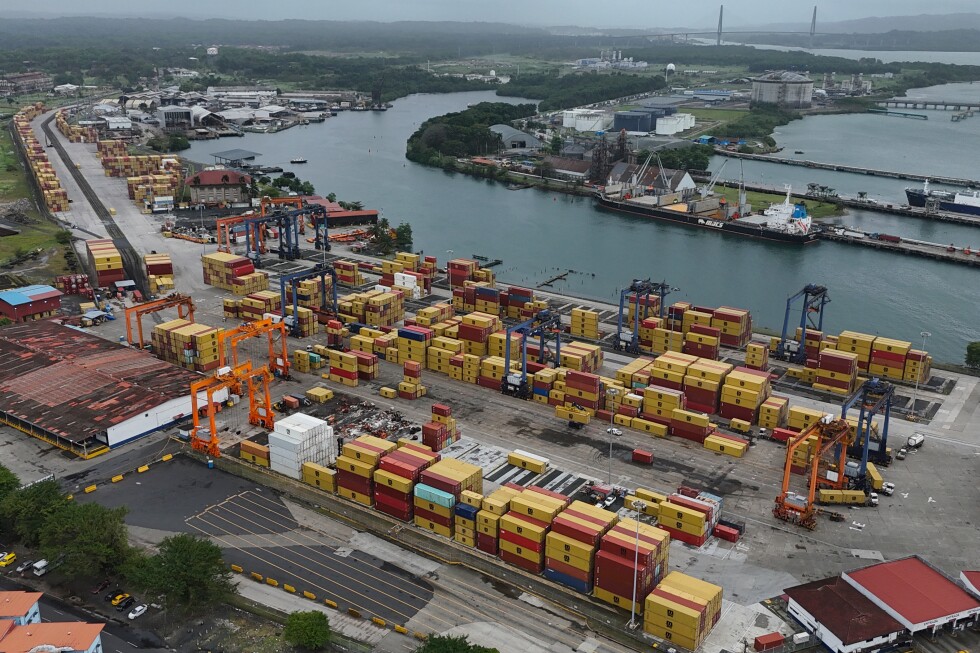
Hong Kong-based conglomerate CK Hutchison Holdings has issued a formal legal threat against Danish logistics giant A.P. Moller-Maersk, escalating an international dispute over control of two strategic ports at the Panama Canal’s Atlantic and Pacific entrances.
The confrontation stems from a January ruling by Panama’s Supreme Court that declared CK Hutchison’s concession to operate the ports unconstitutional. Panamanian authorities subsequently appointed Maersk’s subsidiary to manage the facilities during a transitional period until a new concession can be competitively bid.
CK Hutchison, which has operated the ports through its subsidiary Panama Ports Co. since 1997 and secured a 25-year renewal in 2021, strongly contests the court’s decision. The company has initiated arbitration proceedings against Panama and now warns that any operational moves by Maersk without its consent will trigger immediate legal action.
The port controversy occurs against a backdrop of intensifying Sino-American rivalry in Central America. The situation escalated when former U.S. President Donald Trump alleged Chinese influence over the Panama Canal, prompting CK Hutchison to consider selling the ports to a consortium including U.S. investment firm BlackRock. That potential transaction was reportedly stalled after intervention from Beijing.
Despite assurances from Panamanian President José Raúl Mulino that port operations would continue uninterrupted, CK Hutchison maintains that continued operation now depends entirely on actions by Panamanian authorities beyond its control. The company has additionally notified Panama of a dispute under an investment protection treaty and is exploring all available legal avenues, including international proceedings.
The Panama Canal, constructed by the United States in the early 20th century and transferred to Panamanian control in 1999, remains one of the world’s most critical maritime trade routes, giving strategic significance to whoever controls its terminal ports.