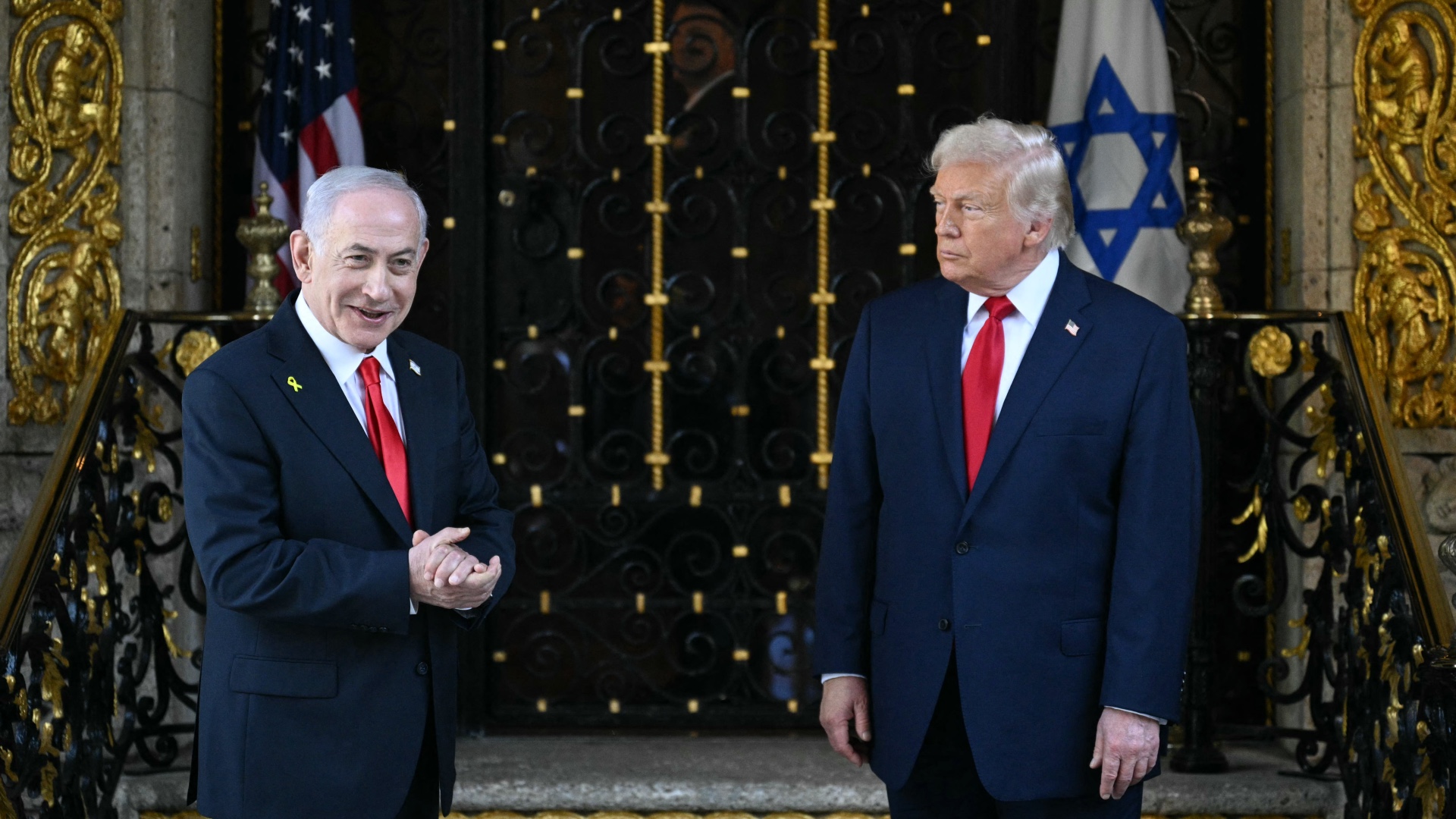
Israeli Prime Minister Benjamin Netanyahu has accelerated his diplomatic travel schedule to convene with US President Donald Trump in Washington this week, marking their seventh high-level engagement within a twelve-month period. The meeting occurs against a complex backdrop of renewed US-Iran dialogue and escalating regional violence.
Originally slated to coincide with the February 19th inauguration of Trump’s ‘Board of Peace’ initiative—established following the Gaza ceasefire agreement—Netanyahu’s expedited arrival suggests urgent diplomatic priorities. Expert analysis indicates the Prime Minister’s paramount objective involves persuading the Trump administration to intensify pressure on Iran, potentially including military strikes to precipitate regime change.
This sense of urgency follows last week’s direct negotiations between US and Iranian officials in Oman, which Trump characterized as ‘very good’ despite previous hostilities. Dr. Guy Ziv, Israeli politics specialist and associate professor at American University, notes that Netanyahu perceives Iranian ambitions as substantially more threatening than Palestinian matters, having previously influenced Trump’s 2018 withdrawal from the Joint Comprehensive Plan of Action (JCPOA).
The Prime Minister now seeks to expand any potential nuclear agreement to include restrictions on Iranian ballistic missile development, which Israel considers an existential threat. Recent diplomatic engagements have featured unconventional participation, including Iran’s Foreign Minister Abbas Araghchi meeting with US special envoy Steve Witkoff alongside presidential advisor Jared Kushner. Notably, Trump deployed the top US military commander in the Middle East to these talks, signaling continued readiness for military action.
Trita Parsi of the Quincy Institute observes that Israeli demands for zero uranium enrichment previously sabotaged diplomatic progress, with missile restrictions constituting another potential ‘poison pill’ in negotiations. This occurs alongside devastating military conflicts, including a 12-day war in June that concluded with unprecedented US airstrikes against Iranian nuclear facilities.
Domestic political considerations similarly influence Netanyahu’s diplomatic maneuvers. With Israeli elections potentially occurring sooner than the scheduled October date, the Prime Minister benefits from visible alignment with the popular US president. Additionally, Netanyahu aims to avoid photographic association with regional adversaries like Turkey’s Erdogan or Qatar’s al-Thani during the upcoming Board of Peace assembly.
Meanwhile, Gaza continues experiencing severe violence, with 581 Palestinians killed since October’s ceasefire announcement and over 72,000 casualties recorded since Hamas’ initial attacks. Despite Trump’s public optimism regarding peace process progress, reality demonstrates minimal improvement in regional stability.
Analysts suggest Netanyahu may accept concessions regarding West Bank settlements or Gaza policy if unable to secure stronger anti-Iran commitments. Khaled Elgindy, former Palestinian negotiation adviser, notes the Trump administration predominantly views Palestinians as having ‘no strategic value,’ making territorial compromises likely in exchange for Israeli cooperation. The president’s decision-making process remains unpredictable, often prioritizing donor preferences and personal instincts over established diplomatic frameworks.