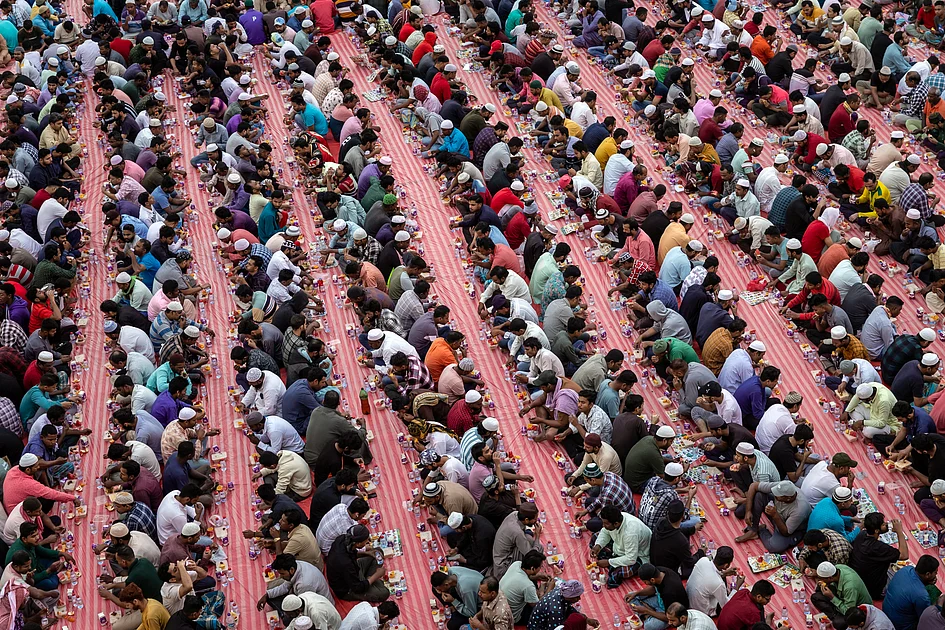
As the Muslim world anticipates Ramadan 2026 commencing approximately February 19th, significant geographical variations in fasting durations are projected across global communities. With over 1.5 billion adherents preparing for spiritual devotion, this holy month’s temporal characteristics are directly influenced by the lunar-based Islamic calendar and planetary axial tilt.
The forthcoming Ramadan period will demonstrate noticeably reduced fasting intervals compared to previous years, offering moderate relief to worshippers worldwide. This annual temporal shift occurs because the Hijri calendar advances 10-12 days earlier each solar year, consequently altering daylight exposure during the fasting period.
Geographical positioning emerges as the primary determinant for fasting duration disparities. Nations within equatorial regions including Indonesia, Malaysia, Kenya, and Brazil will experience relatively balanced fasting windows of 11-13 hours due to consistent day-night cycles. Conversely, northern hemisphere territories at extreme latitudes face substantially extended devotions.
Arctic and subarctic communities in Greenland, Iceland, and Scandinavian countries will endure the most demanding physical trials with fasting periods exceeding 16 hours. Certain northern Russian territories and Canadian regions might experience up to 20 hours of continuous fasting due to the midnight sun phenomenon.
Islamic scholars have established adaptive measures for communities in extreme latitudes, permitting alignment with Mecca’s timings or adopting schedules from geographically moderate cities. The United Arab Emirates anticipates an inaugural fast of 12 hours 46 minutes—approximately 30 minutes shorter than 2025’s commencement.
Throughout the sacred month’s progression, daily fasting durations will gradually extend by incremental minutes as the northern hemisphere approaches its vernal equinox. This celestial dynamic underscores the intersection of astronomical precision and religious observance within global Islamic practice.