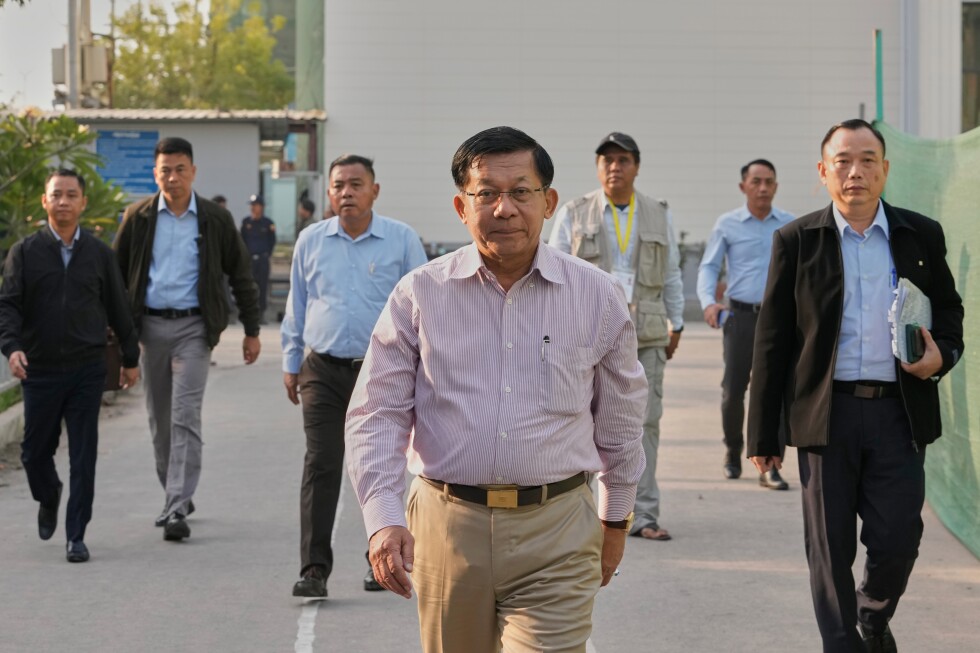
BANGKOK (AP) — Myanmar’s political landscape has solidified with the military-aligned Union Solidarity and Development Party (USDP) securing a decisive electoral victory, according to final official results released Wednesday. The outcome, widely anticipated due to the exclusion of major opposition parties and severe restrictions on dissent, reinforces the military’s continued dominance over the nation’s governance structures.
Concurrent with the election certification, Senior General Min Aung Hlaing, head of the military government, enacted legislation establishing a powerful Union Consultative Council. This advisory body—comprising at least five members including a chairman—holds authority to advise on national security, international relations, peace processes, and legislation without formally interfering with executive or judicial powers.
The constitutional framework guarantees the military automatic control of 25% of parliamentary seats, effectively ensuring allied parties maintain overwhelming legislative control. Final figures reveal the USDP captured 339 of the 586 available parliamentary seats, while the military retains its constitutionally mandated 166 seats. This coalition controls approximately 86% of the legislature, with 21 other parties securing minimal representation.
The electoral process, conducted in three phases across December and January, excluded approximately one-fifth of Myanmar’s 330 townships due to ongoing conflict. Official reports cite a 54% voter turnout among eligible citizens, though international observers have raised concerns about widespread coercion and suppression of fundamental rights.
United Nations Human Rights Chief Volker Türk condemned the electoral process as fundamentally flawed, stating it exacerbated violence and societal polarization rather than advancing civilian rule. Reports indicate widespread voter intimidation tactics, including threats of forced conscription, food access restrictions, and administrative penalties.
The creation of the consultative council mirrors the military’s established pattern of establishing parallel governance structures since the 2021 coup that ousted Aung San Suu Kyi’s elected government. This move potentially enables Min Aung Hlaing to maintain influence without assuming the presidency, which would require relinquishing his powerful commander-in-chief position under constitutional provisions.
Parliament is scheduled to convene in mid-March to elect a new president, though the general’s potential role remains uncertain amid these institutional rearrangements.