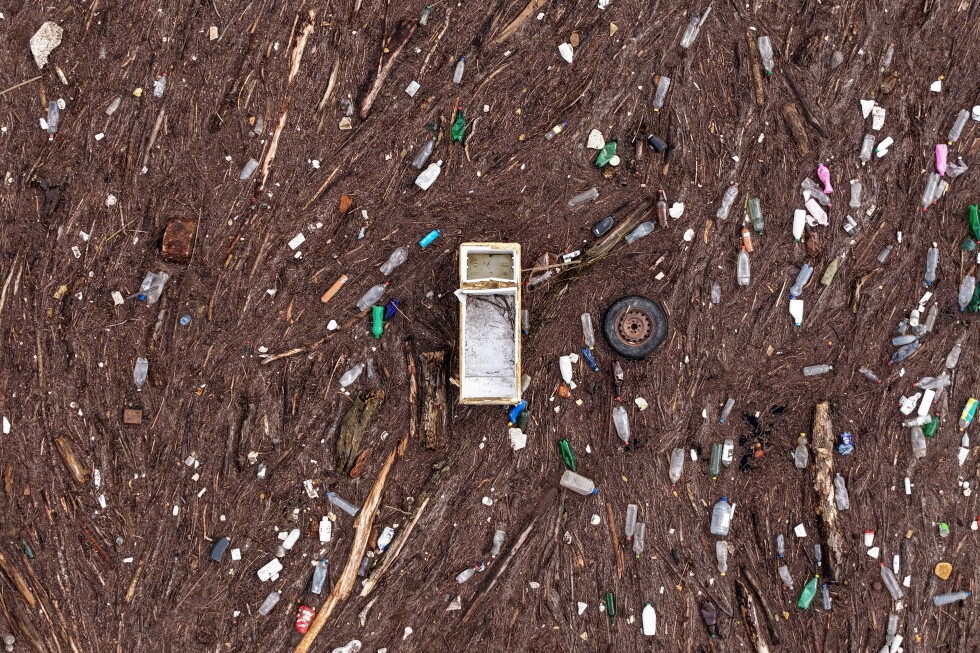
VISEGRAD, Bosnia-Herzegovina — The Drina River, flowing through eastern Bosnia, presents a scene of ecological devastation as construction machinery labors around the clock to extract thousands of tons of accumulated waste. This recurring environmental crisis transforms the waterway’s emerald surface into a floating landfill comprising plastic bottles, furniture fragments, rusted barrels, household appliances, and even deceased animals.
Environmental activist Dejan Furtula of the Eko Centar organization expresses profound frustration at the cyclical nature of this disaster. Annually, during winter months, swollen regional rivers carry garbage from upstream illegal dumping sites across Bosnia, Serbia, and Montenegro, depositing it against barriers at the Visegrad hydroelectric facility.
“This situation exemplifies systemic institutional failure and absence of political determination,” Furtula stated. “Despite annual meetings and repeated promises, these catastrophic scenes persistently reoccur.”
The contamination includes concerning quantities of medical waste, releasing unknown toxins into waters traditionally rich with aquatic life. Following extraction, the waste compounds local air pollution through slow-burning processes at municipal landfills, creating what Furtula characterizes as a “vicious circle” of environmental degradation.
While the three nations involved have formally committed to collaborative solutions—including a 2019 ministerial meeting at the contamination site—tangible progress remains elusive. The persistent crisis highlights broader environmental challenges throughout the Western Balkans, where nations aspiring to European Union membership must confront pressing ecological issues, including severe air pollution, as part of accession requirements.
Environmental advocates propose practical interventions including illegal dump-site mapping, surveillance camera installation, and upstream barrier implementation to prevent waste consolidation at Visegrad. However, transnational accountability remains problematic, with no nation acknowledging responsibility for the pollution.