The expiration of the New Strategic Arms Reduction Treaty (New START) has created an unprecedented nuclear governance vacuum between the United States and Russia, marking the first time in the 21st century that the world’s two largest nuclear powers operate without major arms control constraints. President Donald Trump’s administration now seeks to negotiate a comprehensive trilateral agreement involving China, a proposition that experts warn faces formidable diplomatic and technical challenges.
The treaty’s lapse has triggered international concerns about potential nuclear proliferation and heightened geopolitical tensions. Former Obama administration negotiator Rose Gottemoeller characterized the situation as “a dangerous moment” due to the absence of concrete follow-up arrangements. The expiration eliminates critical verification mechanisms, including on-site inspections and data sharing protocols that enabled mutual monitoring of nuclear arsenals.
Trump’s unconventional negotiation approach, deploying son-in-law Jared Kushner and envoy Steve Witkoff for arms control discussions in Abu Dhabi, has raised questions about the administration’s capacity to handle complex technical negotiations. Experts emphasize that establishing compliance and verification frameworks typically requires years of specialized diplomacy, not improvisational bargaining.
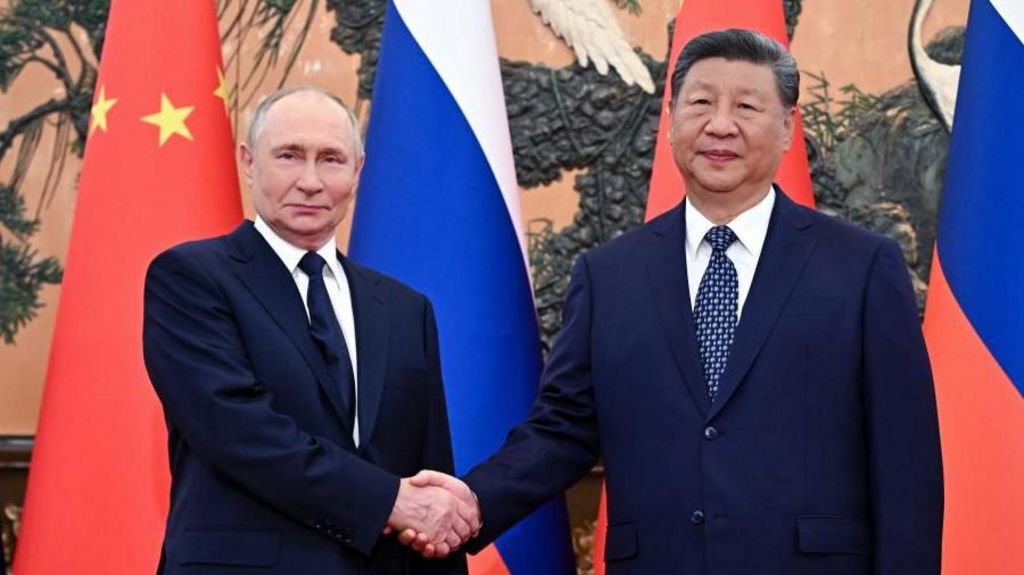
The geopolitical landscape presents additional complications. Russia’s deepening alliance with China and ongoing Ukraine conflict have strained relations with Western powers. Meanwhile, China maintains its refusal to participate in trilateral talks until the US and Russia significantly reduce their existing arsenals. Beijing’s nuclear expansion program, projected to reach 1,000 warheads by 2030, adds urgency to arms control efforts.
Historical precedent offers limited comfort. While brief gaps in arms control occurred during the Cold War, current tensions involving three nuclear powers create unprecedented complexity. The absence of restrictions on tactical nuclear weapons in Europe further compounds security concerns, especially given Russia’s ambiguous nuclear posture regarding Ukraine.
The administration’s consideration of separate bilateral tracks with Russia and China suggests recognition of the trilateral approach’s difficulties. However, with both Moscow and Washington declaring themselves free from New START obligations, the path toward a new comprehensive treaty appears increasingly uncertain, potentially ending five decades of continuous bilateral nuclear arms control.