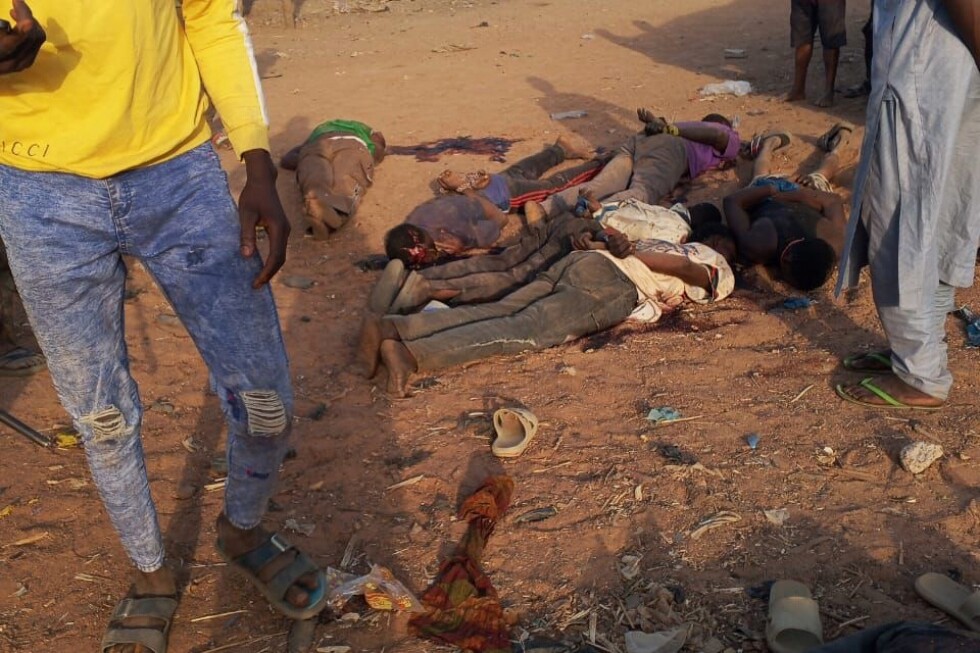
ABUJA, Nigeria — In one of the most devastating attacks to hit Nigeria in recent months, coordinated assaults by armed militants on two neighboring villages in Kwara state have left staggering casualties, with estimates ranging from 162 to over 170 fatalities. The Tuesday evening raids on Woro and Nuku villages involved extensive burning of homes and systematic looting of local businesses, according to eyewitness accounts and humanitarian organizations.
Amnesty International condemned what it described as “a stunning security failure” in the region, highlighting the government’s inability to protect vulnerable communities. The attack represents a dangerous expansion of extremist violence beyond Nigeria’s traditional conflict zones into previously less-affected areas.
Nigeria currently confronts multiple overlapping security challenges, including a persistent Islamist insurgency and rampant kidnappings for ransom by criminal networks. While so-called “bandit” groups have historically operated primarily in northwestern territories, their recent migration into central regions like Kwara signals an alarming escalation of the crisis.
Although no group has officially claimed responsibility for the massacres, preliminary investigations point to involvement by Islamic State-affiliated factions. Local parliament representative Mohammed Omar Bio attributed the attacks to the IS-linked Lakurawa group, while regional security experts suggest possible involvement by Jama’atu Ahlis Sunna Lidda’awati wal-Jihad, a Boko Haram splinter faction responsible for recent atrocities.
Kwara State Governor AbdulRahman AbdulRazaq characterized the assault as likely retaliation against recent counter-terrorism successes, stating militants sought to divert security forces from their ongoing operations against terrorist and kidnapping networks.
The tragedy coincides with intensified United States engagement in Nigeria’s security crisis. Days before the attack, U.S. Africa Command confirmed deployment of a specialized military team to provide intelligence support at Nigeria’s official request. This cooperation represents a significant diplomatic shift from earlier tensions, when the Trump administration threatened military action over perceived inadequate protection of Christian communities.
Analysts note that while religious tensions have been exacerbated by the violence, most victims of armed groups across Nigeria’s Muslim-majority northern regions are actually Muslims. The U.S. has recently demonstrated commitment to the partnership through airstrikes against IS-affiliated militants and promises to deliver previously delayed military equipment, including drones and helicopters, despite ongoing concerns about human rights compliance by Nigerian security forces.