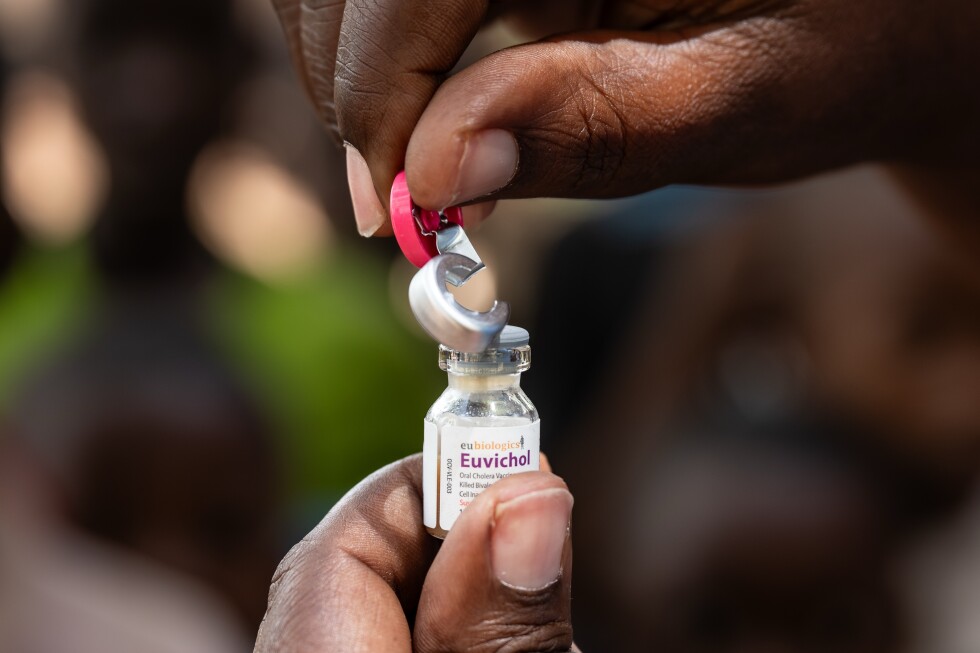
CAPE TOWN — The World Health Organization announced Wednesday the resumption of preventive cholera vaccination initiatives worldwide, marking a pivotal shift from reactive outbreak response to proactive immunization strategies. This development follows the resolution of a severe vaccine shortage that had paralyzed global prevention efforts for nearly four years.
In a coordinated declaration, WHO alongside GAVI vaccine alliance and UNICEF revealed that the oral cholera vaccine stockpile has rebounded to approximately 70 million doses—a dramatic recovery from the critically low 35 million doses available during the 2022 shortage crisis. The improved supply enables the first preventive allocation of 20 million doses, with Mozambique receiving 3.6 million doses, Congo obtaining 6.1 million, and Bangladesh scheduled for 10.3 million doses.
WHO Director-General Tedros Adhanom Ghebreyesus emphasized the strategic importance: “Global vaccine shortages previously confined us to merely reacting to cholera outbreaks. We now possess the capacity to break this cycle through preventive vaccination campaigns.”
The resurgence of cholera—a waterborne diarrheal disease—has been exacerbated by intersecting crises of poverty, conflict, and climate change. Recent devastating floods in Mozambique affecting 700,000 people exemplify how climate-related disasters amplify cholera risks by compromising water sanitation infrastructure and facilitating bacterial spread.
During the shortage, WHO implemented a single-dose vaccination protocol as an emergency measure. The organization now maintains this single-dose approach as standard practice, while considering two-dose campaigns based on specific epidemiological circumstances.
Surveillance data reveals concerning trends: 2023 recorded over 600,000 cholera cases and approximately 7,600 fatalities worldwide. While case numbers showed a decline in 2025 after consecutive annual increases since 2021, cholera-related mortality rates continue to climb, underscoring the critical need for sustained preventive measures.