Diplomatic efforts to resolve the ongoing conflict between Russia and Ukraine are set to continue as representatives from both nations prepare for another round of U.S.-mediated negotiations in Abu Dhabi on Wednesday. The talks, which include U.S. Special Envoy Steve Witkoff and Jared Kushner, son-in-law of former President Donald Trump, follow previous discussions that yielded limited progress without achieving major breakthroughs.
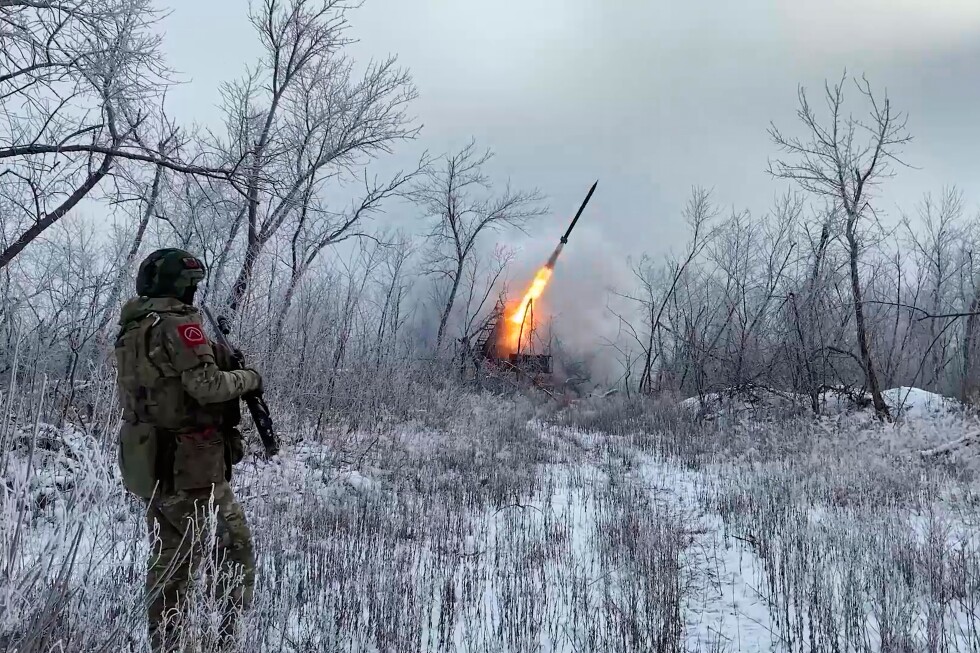
The renewed diplomatic initiative unfolds against a backdrop of intensified military aggression. Russian forces launched a massive overnight bombardment from Monday to Tuesday, deploying hundreds of drones and a record 32 ballistic missiles that injured at least ten civilians. These attacks specifically targeted Ukraine’s energy infrastructure, exacerbating the humanitarian crisis during one of the coldest winters in recent years, with temperatures plummeting to minus 20 degrees Celsius (-4°F).
The timing of these strikes appears particularly significant given previous assurances. According to Trump, Russian President Vladimir Putin had committed to a temporary cessation of attacks on Ukraine’s power grid—a claim contradicted by the recent escalation. Ukrainian President Volodymyr Zelenskyy accused Moscow of duplicity, noting that barely four days had passed before renewed assaults on critical energy infrastructure.
Analysts from the Institute for the Study of War suggest these developments represent a calculated negotiating strategy by the Kremlin. “The Kremlin will likely attempt to portray its adherence to this short-term energy strikes moratorium as a significant concession to gain leverage in the upcoming peace talks, even though the Kremlin used these few days to stockpile missiles for a larger strike package,” the Washington-based think tank reported.
The human cost of the conflict continues to mount. In the central Dnipropetrovsk region, a Russian strike on a residential area killed a 68-year-old woman and a 38-year-old man. The southern city of Odesa also endured large-scale attacks that damaged approximately 20 residential buildings, requiring the rescue of four individuals from beneath rubble.
These diplomatic efforts coincide with the impending expiration of the last remaining nuclear arms control treaty between Russia and the United States on Thursday, adding another layer of complexity to the already tense international landscape. The simultaneous occurrence of these events raises stakes for all parties involved in the negotiations.