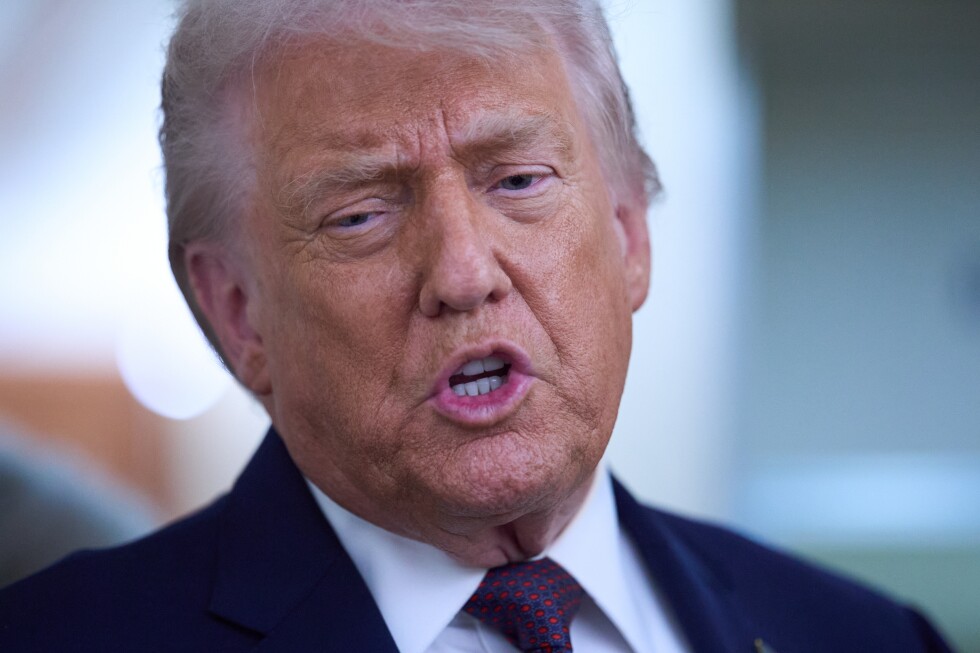
In a significant escalation of trade tensions, former President Donald Trump declared Monday he would impose increased tariffs on South Korean imports, citing legislative delays in ratifying a previously agreed trade framework. The announcement, made through social media channels, specifically targets automobiles, lumber, and pharmaceutical products while threatening to elevate rates on other goods from 15% to 25%.
This development marks a continuation of Trump’s unconventional trade strategy that previously relied on declaring economic emergencies to bypass congressional approval. The South Korean government, conversely, requires formal legislative endorsement for the trade framework initially presented in July and reaffirmed during Trump’s October visit to the country.
Trump justified the measures by emphasizing the importance of reciprocal trade relationships, stating: “Our Trade Deals are very important to America. In each of these Deals, we have acted swiftly to reduce our TARIFFS in line with the Transaction agreed to. We, of course, expect our Trading Partners to do the same.”
This move follows a pattern of aggressive trade tactics that characterized Trump’s presidency, including recent threats against European nations regarding Greenland and a proposed 100% tax on Canadian goods should the country enhance trade relations with China. The administration had previously linked tariff concessions to South Korea’s commitment to invest $350 billion in the U.S. economy, including revitalization projects for American shipyards.
The announcement comes amid ongoing trade uncertainties, including pending Supreme Court decisions regarding presidential authority in imposing tariffs under emergency powers, ongoing Section 232 investigations, and upcoming renegotiations of the USMCA trade agreement with Canada and Mexico.