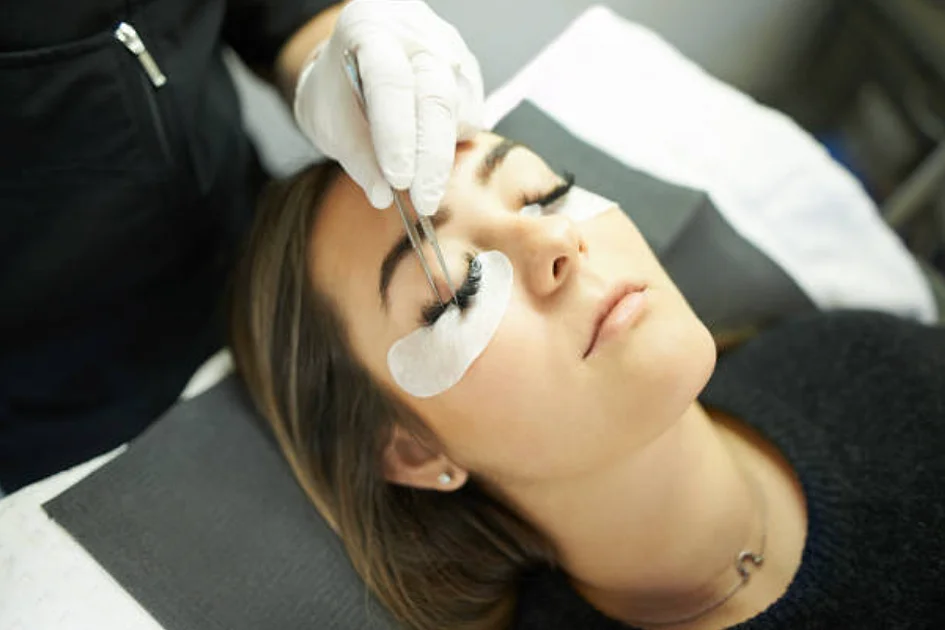
Medical professionals in the United Arab Emirates are issuing urgent warnings against the growing trend of at-home eyelash extension applications, citing a dramatic increase in serious ocular complications. Ophthalmologists report a concerning surge in patients presenting with severe eye conditions directly linked to unprofessional lash procedures.
According to Dr. Nikulaa Parachuri, Specialist in Ophthalmology and Retinal Surgery at Aster Hospital Qusais, complications range from blepharitis (eyelid margin inflammation) and chronic dry eyes to conjunctivitis, keratitis, and even permanent vision damage. “We’re observing multiple cases weekly stemming from improper lash application techniques and substandard adhesives,” Dr. Parachuri confirmed.
The accessibility of inexpensive DIY lash kits—available online for as little as Dh30 compared to professional salon services costing Dh200-Dh500—has contributed significantly to the problem. These kits often contain formaldehyde-based adhesives and methyl/ethyl cyanoacrylate compounds that pose severe irritation risks. Many users experience allergic reactions, chemical burns, and toxic responses to these poorly regulated products.
Olga V., a Ukrainian lash technician practicing in the UAE, reports encountering clients weekly with infections from DIY attempts. “People underestimate the delicacy of the eye area,” she noted. “Without proper training, one contaminated tool or misplaced adhesive can cause significant damage.”
Particularly hazardous practices include applying excessively heavy extensions, stacking multiple lash layers, using unsterilized tools, and placing adhesive too close to the lid margin. Warning signs of complications include persistent redness, swelling, itching, burning sensations, excessive tearing, crusting, discharge, and abnormal lash loss.
Dr. Parachuri emphasized that corneal infections can progress to ulceration and scarring—potentially causing permanent blindness if untreated. Eyelid scarring and permanent follicle damage may also occur from repeated irritation and improper extension removal.
While magnetic lashes present a somewhat safer alternative by eliminating glue-related reactions, medical professionals caution that no lash enhancement method is entirely risk-free. They particularly advise against extensions for individuals with pre-existing conditions including dry eye disease, meibomian gland dysfunction, chronic allergies, sensitive skin, recent eye surgery, or compromised immune systems.
Consumers are urged to verify product safety data sheets, request medical-grade adhesives, and ensure technicians maintain strict hygiene protocols including single-use application tools and proper disinfection practices. Any salon normalizing post-application irritation should be considered a red flag, experts warn.